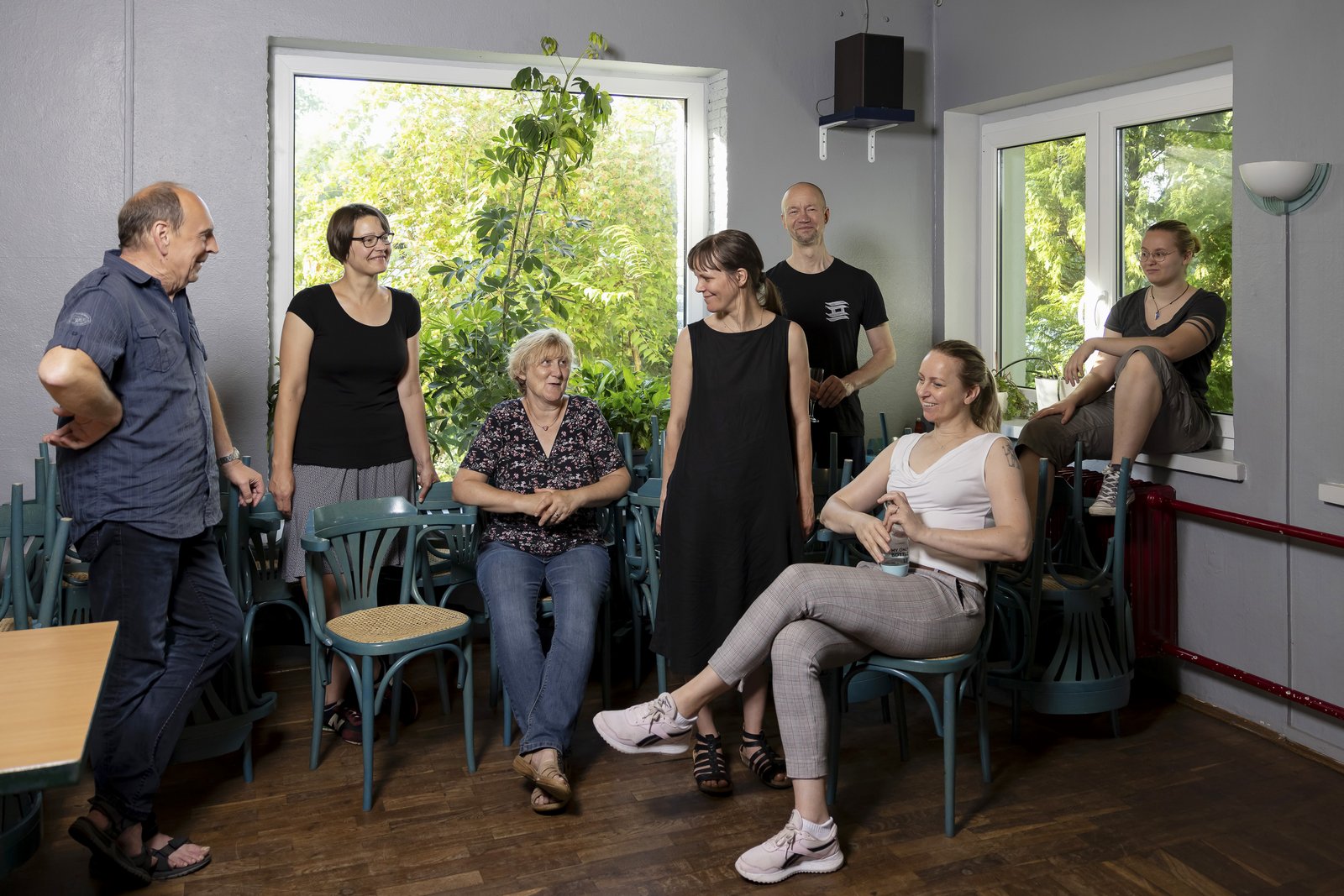
Patrons: Heike Gunkel, Pedro Gunkel, Anne Krapp, Sven Quenzel, Al Titzki, Andrea Titzki, Thomas Zimmermann
Commission: We want a connecting element for the history and future of our city. This can be a new place, an occasion for gatherings, time spent together, or joint action.
Mediator: Lea Schleiffenbaum, Marenka Krasomil (from 10/2026)
Artist: Lina Lapelytė
Duration: 2024 ongoing
Program: Citizen-Commissioned Dance and Performance
Partners: Kulturstiftung des Bundes (German Federal Cultural Foundation)
Eisenhüttenstadt is a fascinating place—many visitors come for a day to admire the impressive architecture of this socialist model city and to immerse themselves in the history and aesthetics of the former GDR. Nostalgia thrives here. But Eisenhüttenstadt is more than a preserved monument. The New Patrons of Eisenhüttenstadt believe that for those who live here, daily life requires not just a look into the past but, above all, a bridge to the future—one that makes staying worthwhile.
“What good are all the symposia with people from outside if they then just leave again?”
From the commission

The Commission
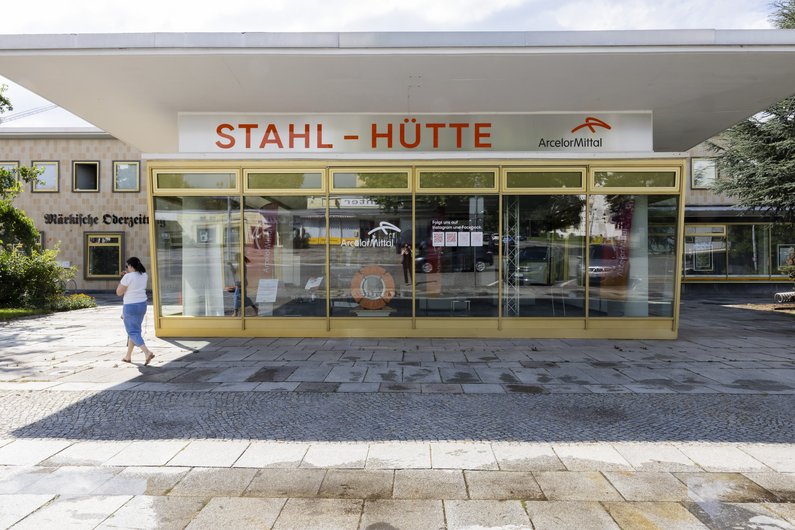
Eisenhüttenstadt was built in the early 1950s around the newly constructed Eisenhüttenkombinat Ost steelworks. The town was intended to meet all the demands of everyday working life and was a showcase urban development project for the GDR. The residential complexes offered a department store, kindergarten, school, supermarket, newspaper kiosk, cultural center or youth club and sports and leisure facilities. The layout and structure encouraged togetherness and easy accessibility.
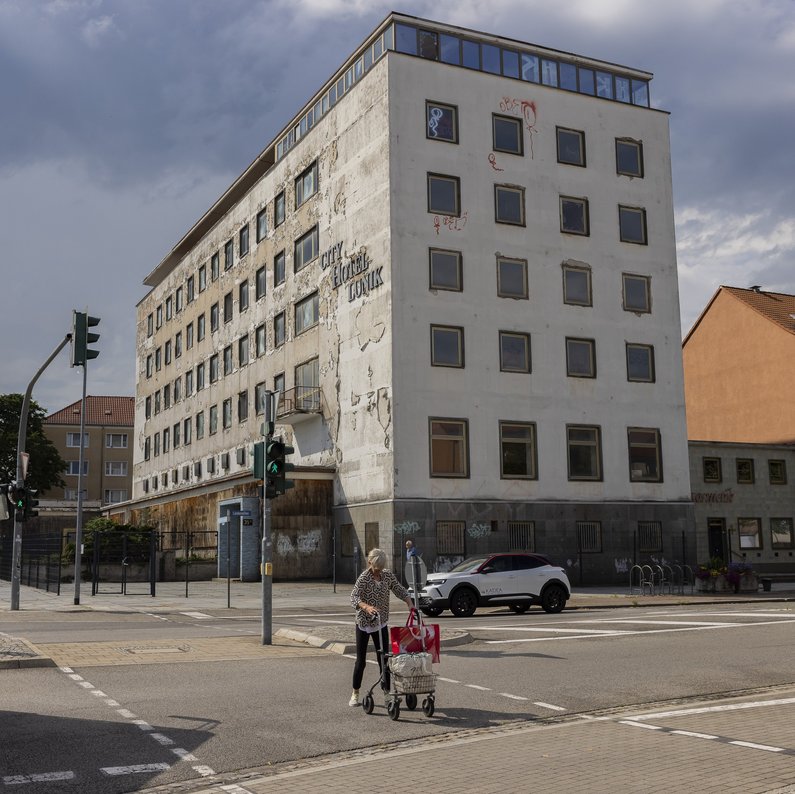
Today, fewer than 25,000 people live in the city that was once planned for 100,000 residents. Many of them carried the major upheavals of reunification and are once again confronted with current crises and challenges. Some are tired of facing constant change and retreat into private life. Others—people with ideas and visions for the city—often encounter misunderstanding, indifference, or bureaucratic obstacles. Trust in the possibility of shaping the future, and the joy of doing so, is fading in a city that was once built by and through the hands of its people. A sense that past achievements are being devalued or turned into museum pieces is shared by many residents, along with others across eastern Germany.
The New Patrons of Eisenhüttenstadt want to raise awareness of the urban and human achievements that, in their view, have shaped the city. They want to bring back into focus what was once thoughtfully conceived and well used, in order to work across generations on visions for the future—so that the city can function and grow again.

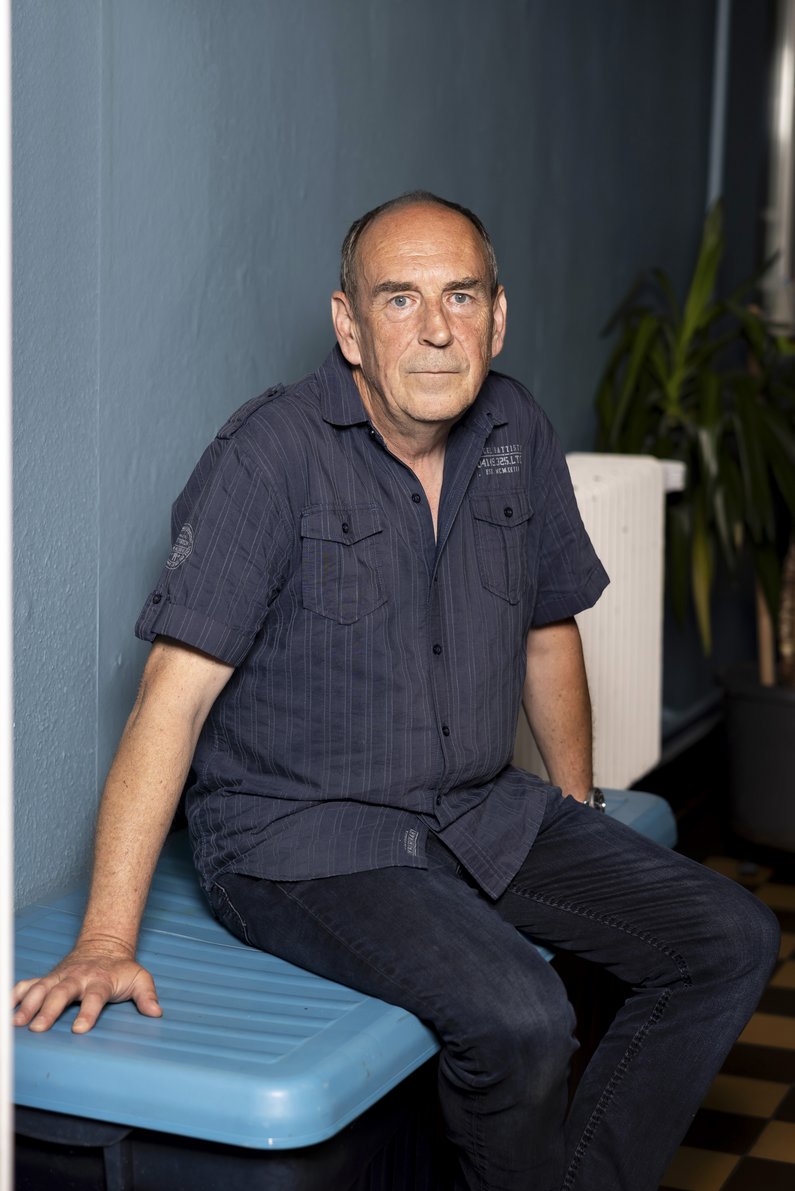
The New Patrons of Eisenhüttenstadt
Pedro Gunkel, patron Photo: Victoria Tomaschko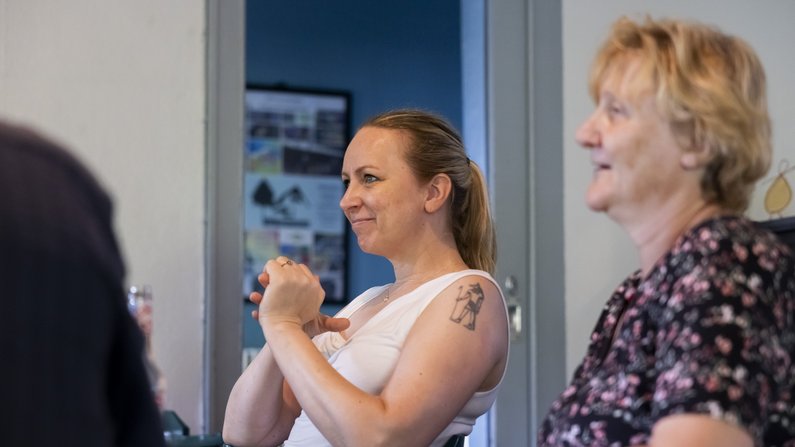
The New Patrons of Eisenhüttenstadt
New Patrons Andrea Titzki and Heike Gunkel Photo: Victoria Tomaschko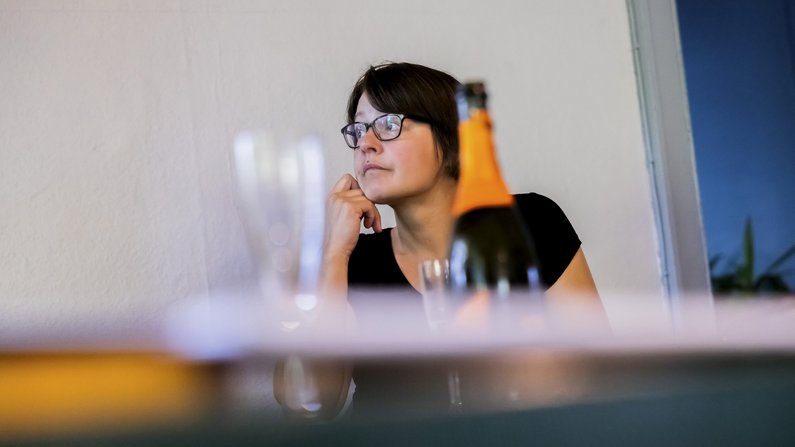
The New Patrons of Eisenhüttenstadt
Anne Krapp, Patron Photo: Victoria Tomaschko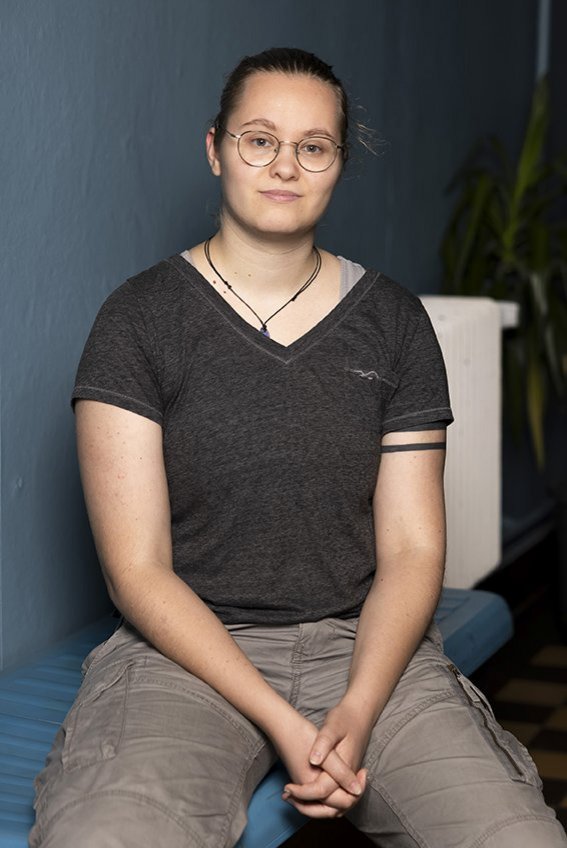
The New Patrons of Eisenhüttenstadt
Al Titzki, Patron Photo: Victoria TomaschkoThe artist
Mediator Lea Schleiffenbaum’s suggestion to commission artist Lina Lapelytė for the project quickly resonates with the group. After a personal meeting, the group decides to commission Lina Lapelytė—and the artist has now started her working with the group.
The internationally renowned artist, who lives in London and Vilnius, combines music and performance with social issues in her work. Her pieces often explore everyday life while also addressing nostalgia and the role of the individual within a community. She has a unique ability to translate complex themes into powerful, accessible experiences. Lina Lapelytė's works engage trained and untrained performers. Her works span a wide range of performative and musical genres. They are often centered around collective singing combined with intricate choreography and functional architecture, with location and site specificity playing an important role.
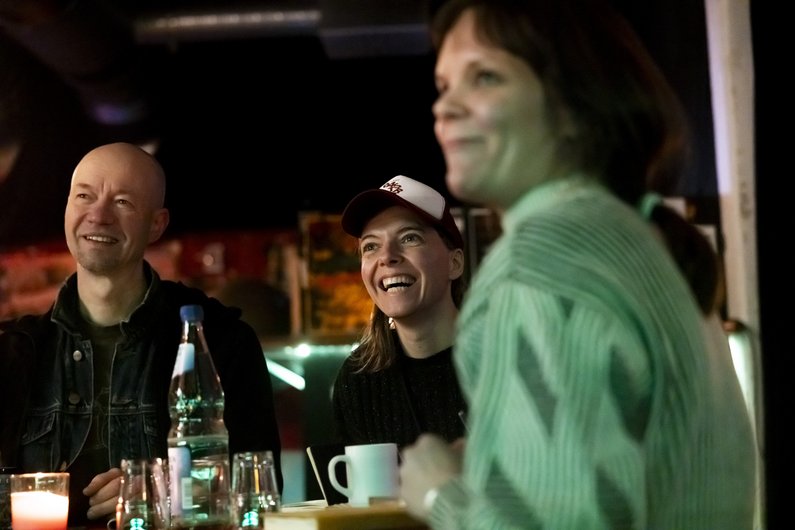
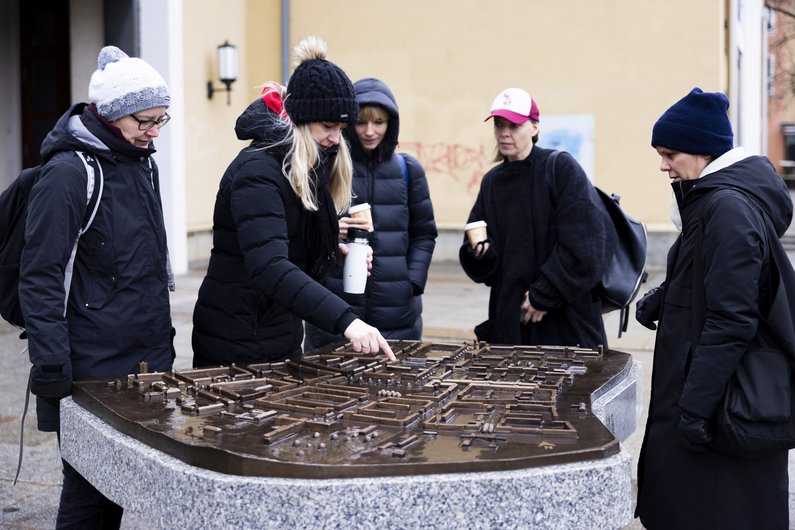
In 2019, Lapelytė won the Golden Lion at the Biennale di Venezia for Sun & Sea (Marina), an opera about climate change and human responsibility, which she created together with Rugilė Barzdžiukaitė and Vaiva Grainytė. Her works have been shown at renowned institutions and festivals, including Performa Biennial in New York, Schirn Kunsthalle Frankfurt, BAM – Brooklyn Academy of Music in New York, and Bourse de Commerce – Pinault Collection in Paris.
Upcoming projects include solo exhibitions at Hamburger Bahnhof in Berlin, Tate Modern – Turnbine Hall in London, and Contemporary Art Centre (CAC) in Vilnius, as well as participation in the Medina Triennial 2026 in New York. As a DAAD fellow, she is living and working in Berlin from April 2026 to April 2027.
The artwork
Lina Lapelytė's concept combines performance with collective processes, architecture, and sculpture. The setting of the work is a purpose-built pavilion sculpture made of 400,000 wooden cubes. The cubes come from Lina Lapelytė’s solo exhibition We Make Years Out of Hours (1 May 2026 to 10 January 2027, Hamburger Bahnhof – Nationalgalerie der Gegenwart). After the exhibition closes, they will travel to Eisenhüttenstadt to form part of her New Patrons project there.
From spring to early autumn 2027, a performative program will take place in the pavilion. For this, Lapelytė holds a series of workshops with the patrons group starting in summer 2026, and invites the residents of Eisenhüttenstadt with an open call for exchange and participation. With the ideas and wishes of those involved, the artist will develop a program that can take many forms — such as concerts and dance events, communal cooking sessions, a bicycle repair workshop, karaoke evenings, readings, or film screenings.
Lina Lapelytė describes her work for Eisenhüttenstadt as an open script written and performed together with the city's residents. Listening to one another, building relationships, collective reflection, rethinking, and action are integral parts of the artistic process. The pavilion and its program are intended to contribute in the long term to a more vibrant cultural identity in Eisenhüttenstadt, regardless of whether the architecture itself endures. A continuation as a community-run meeting place in the city is conceivable.
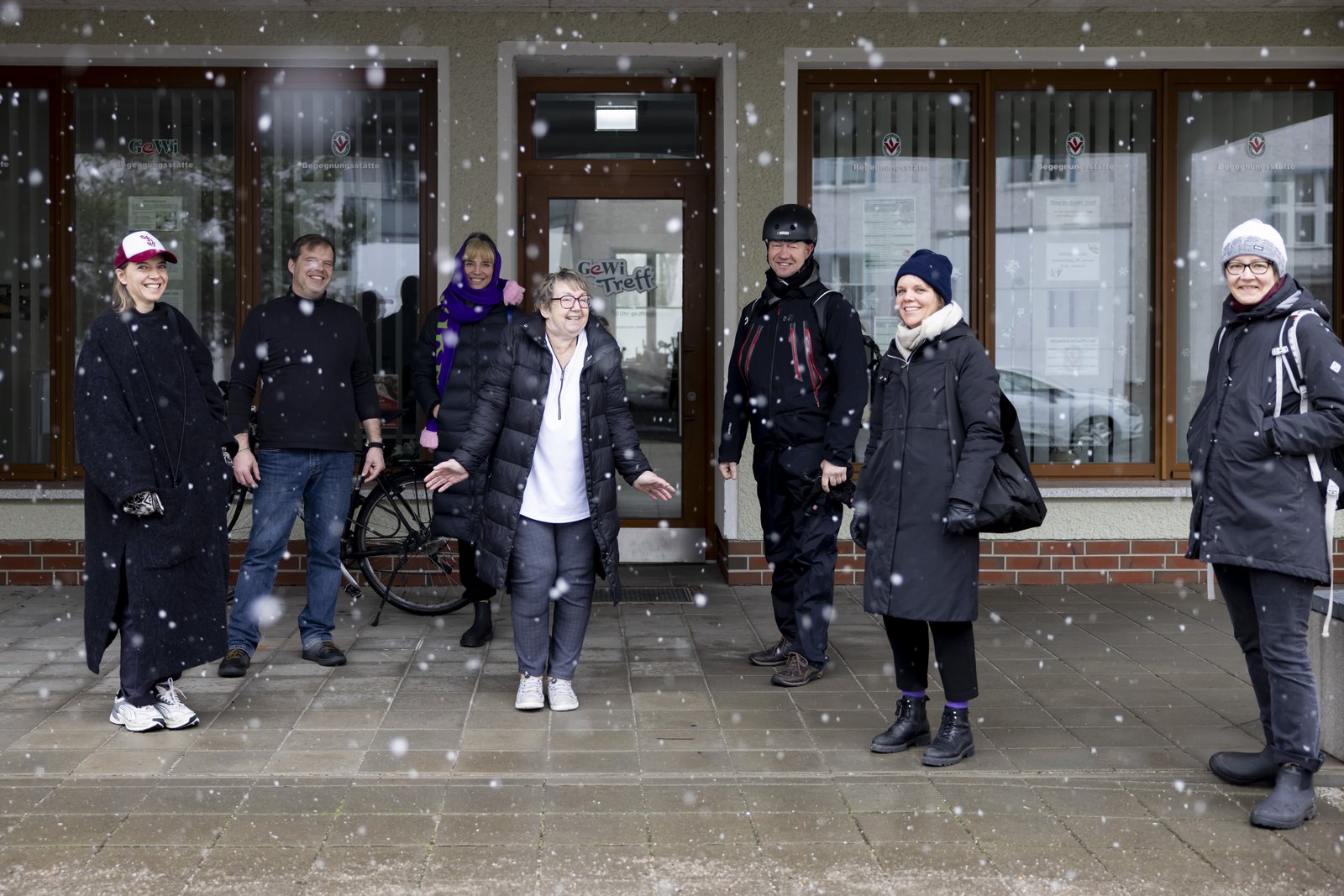
The patrons are less concerned with a lasting transformation of the city's exterior—they primarily want to inspire change within the people who live there, in their perceptions and experiences. New places could emerge, new occasions for gatherings or shared time, new forms of collective action. The hope is that Lina Lapelytė will bring fresh impulses to Eisenhüttenstadt and strengthen the connection between art, community, and regional culture.
The former ambition of an "ideal city" once created false expectations in Eisenhüttenstadt. What the New Patrons of Eisenhüttenstadt strive for instead is a vibrant, real city—without nostalgic sentimentality, but with deep respect for what makes this place unique.