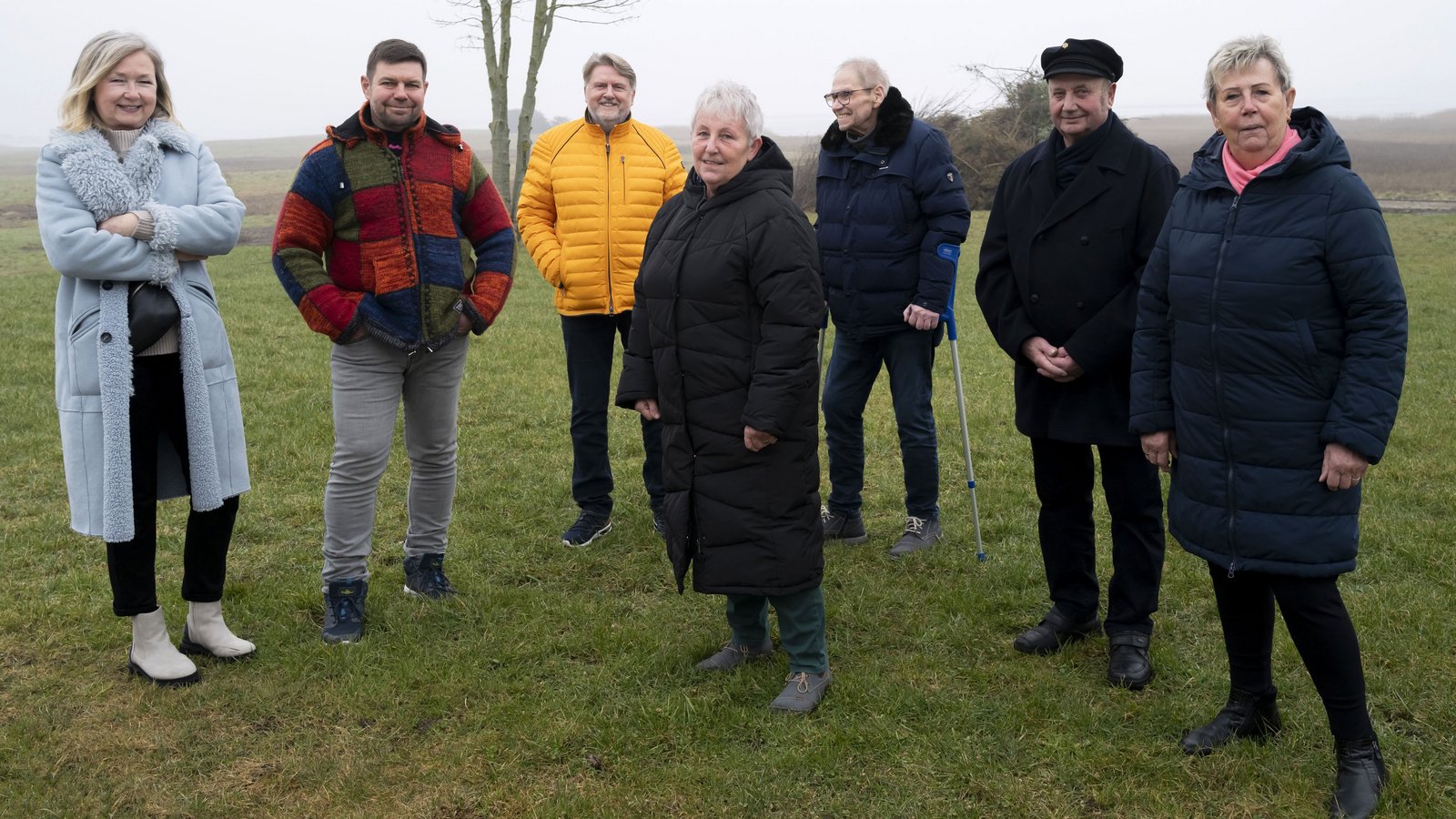
Patrons: Detlef Diedrich, Karin Gundlach, Gabriele Heenemann, Lutz Peters (†), Peter Schüler, André Stoye, Elke Stoye
Commission: Across Europe, coastal fishing is in crisis, heading towards extinction. As fishermen lose their livelihoods or their profession changes, memories fade, and valuable knowledge is lost. That is why we, the New Patrons of Ummanz, want to commission a production that, with confidence and humor, acknowledges the achievements of coastal fishermen and their families—making them accessible to everyone. After all, the fish may be silent, but the fisherman is not!
Mediator: Susanne Burmester
Artist: Amanda Piña
Local Project Lead: Kunstverein Rügen e. V. / Circus Eins Projekte
Period: 2025 ongoing
Partner: Kulturstiftung des Bundes
Program: Citizen-Commissioned Dance and Performance
The island of Ummanz, west of Rügen, was a center of local coastal fishing for centuries. But now, like in many other places across Europe, this tradition is on the verge of disappearing. Industrial large-scale fishing, agriculture, and climate change are disrupting the ecological balance, catch quotas are declining, and the economic foundation of many independent fishermen is crumbling.
The traditional craft of small-scale coastal fishing, with its sustainable fishing methods, barely provides a livelihood for fishermen and their families anymore. Yet coastal fishing is more than just an economic sector—it is a centuries-old cultural heritage that has profoundly shaped the island and its people—their language, daily life, and traditions. In March 2026, small-scale coastal fishing was added to the national register of Intangible Cultural Heritage in Germany.
People of Ummanz came together to reflect on what it means when this traditional way of life disappears, and formulated a commission in response. Artist Amanda Piña accepted their commission. In her work Atlantic Undercurrent Circulation for the New Patrons of Ummanz, she honors the knowledge and labor of the Bodden fishers while forging new relationships with the sea and the life it sustains.
-
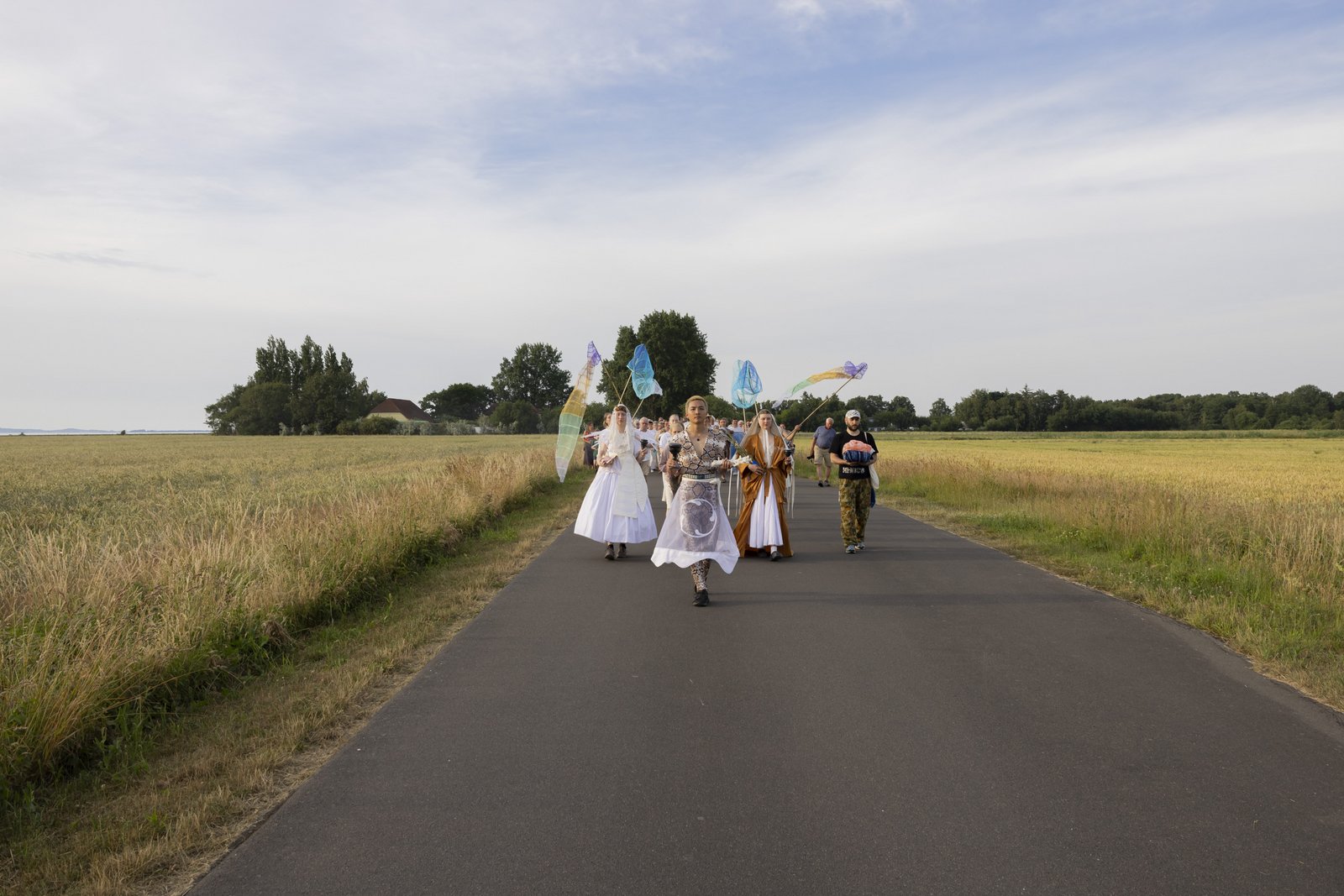
Future Songs of Fish and People
Part 1 of “Atlantic Undercurrent Circulation” by Amanda Piña for the New Patrons of Ummanz
Premiere, 27.6.2026, Ummanz Photo: Victoria Tomaschko -
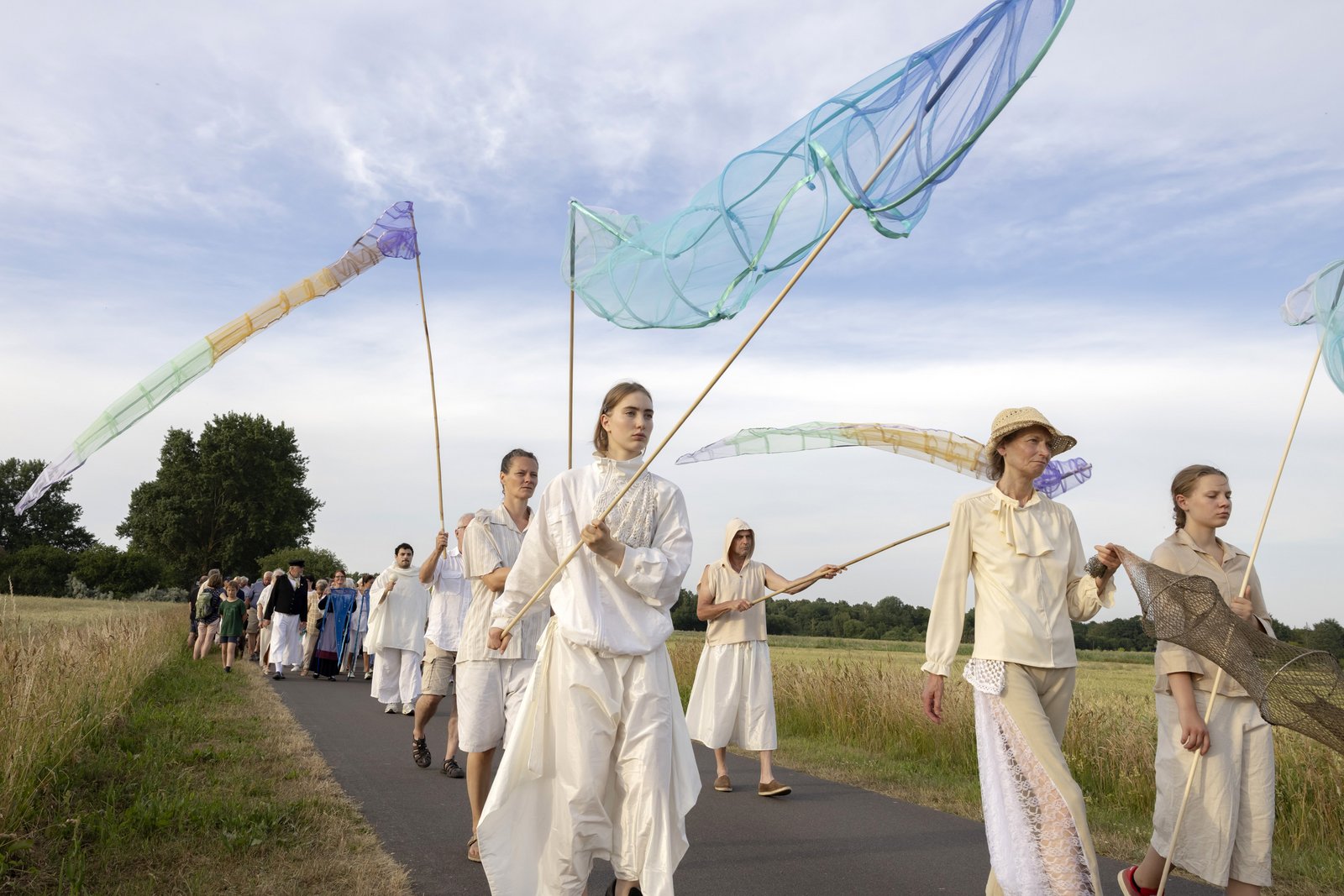
Future Songs of Fish and People
Part 1 of “Atlantic Undercurrent Circulation” by Amanda Piña for the New Patrons of Ummanz
Premiere, 27.6.2026, Ummanz Photo: Victoria Tomaschko -
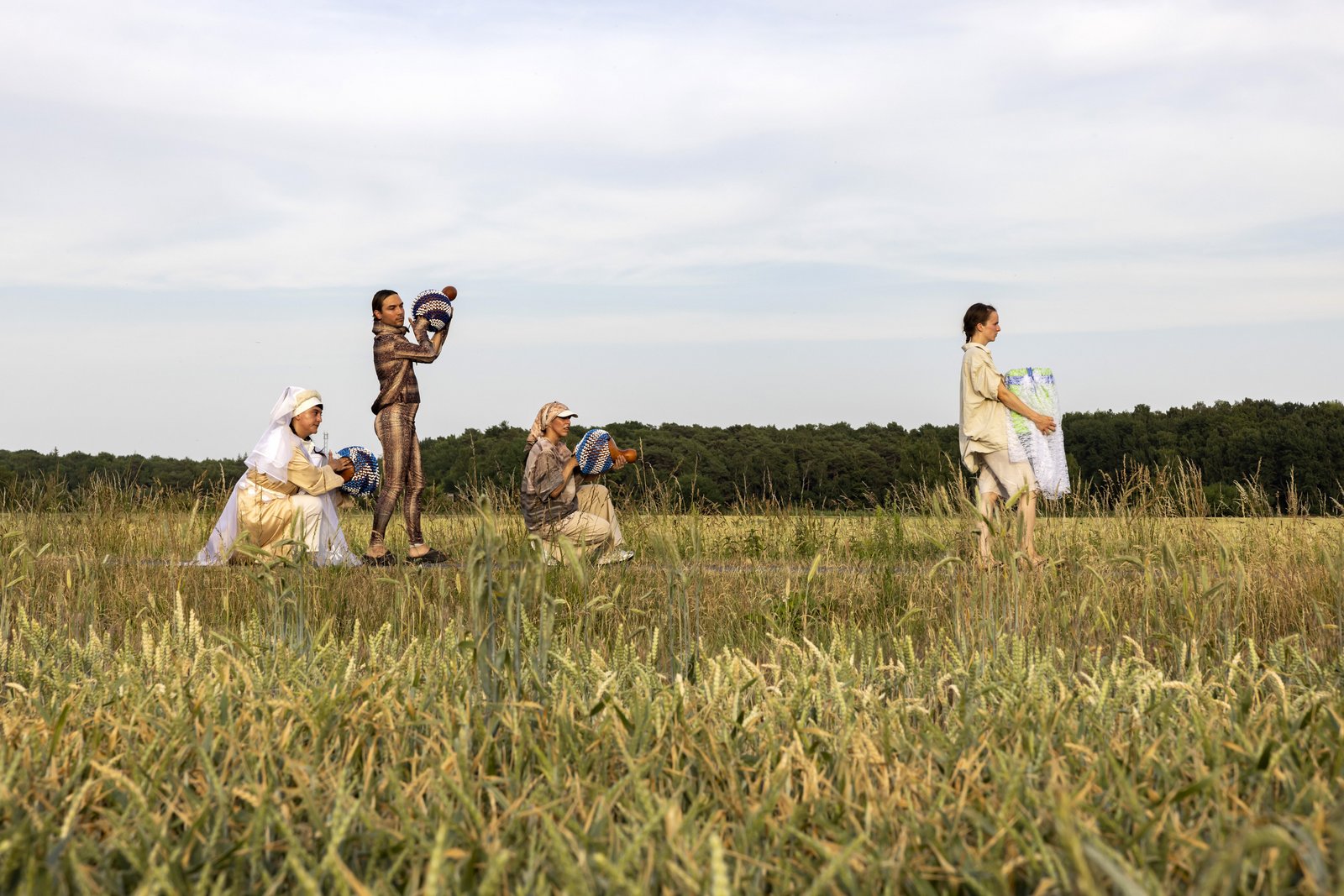
Future Songs of Fish and People
Part 1 of “Atlantic Undercurrent Circulation” by Amanda Piña for the New Patrons of Ummanz
Premiere, 27.6.2026, Ummanz Photo: Victoria Tomaschko -
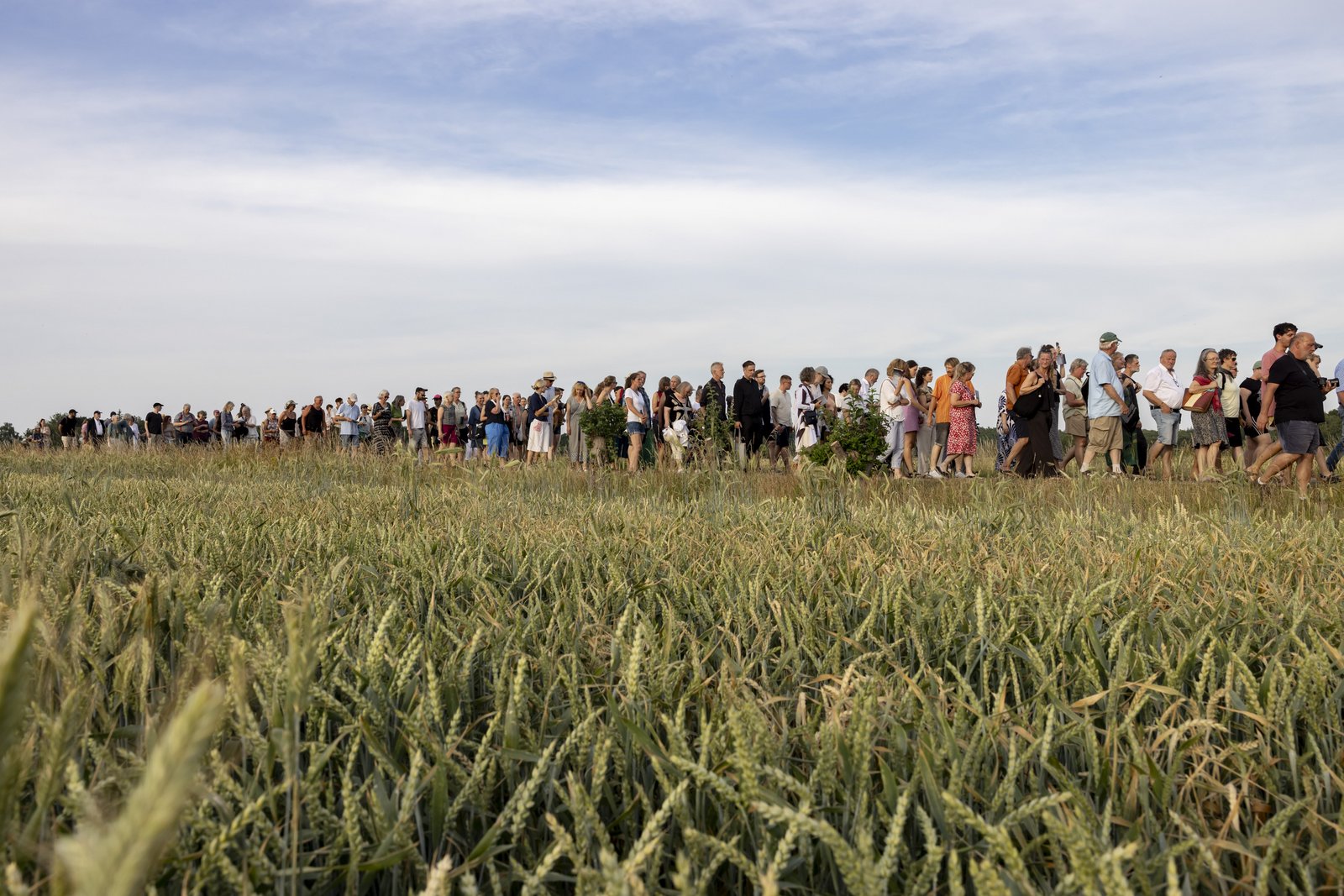
Future Songs of Fish and People
Part 1 of “Atlantic Undercurrent Circulation” by Amanda Piña for the New Patrons of Ummanz
Premiere, 27.6.2026, Ummanz Photo: Victoria Tomaschko -
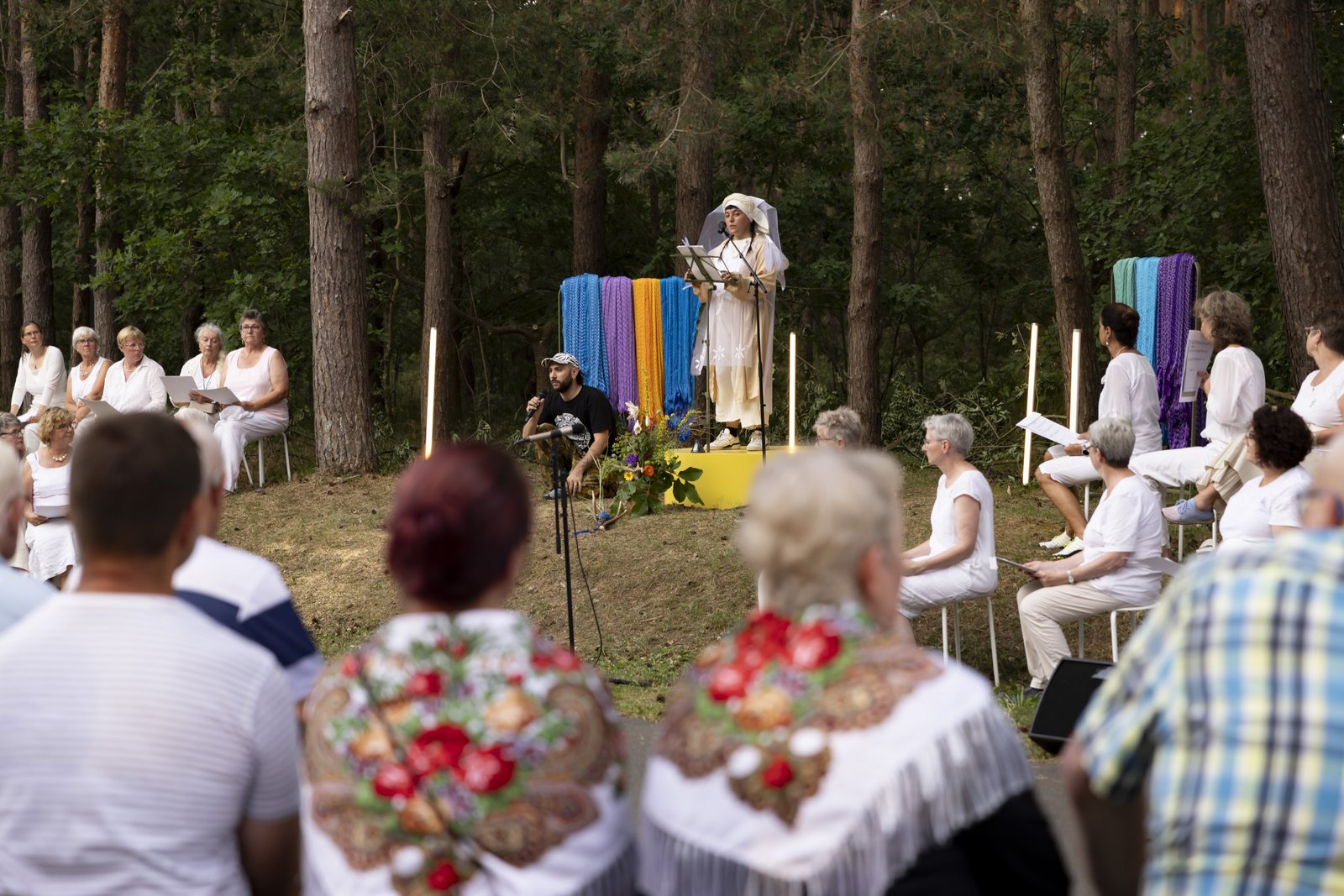
Future Songs of Fish and People
Part 1 of “Atlantic Undercurrent Circulation” by Amanda Piña for the New Patrons of Ummanz
Premiere, 27.6.2026, Ummanz Photo: Victoria Tomaschko -
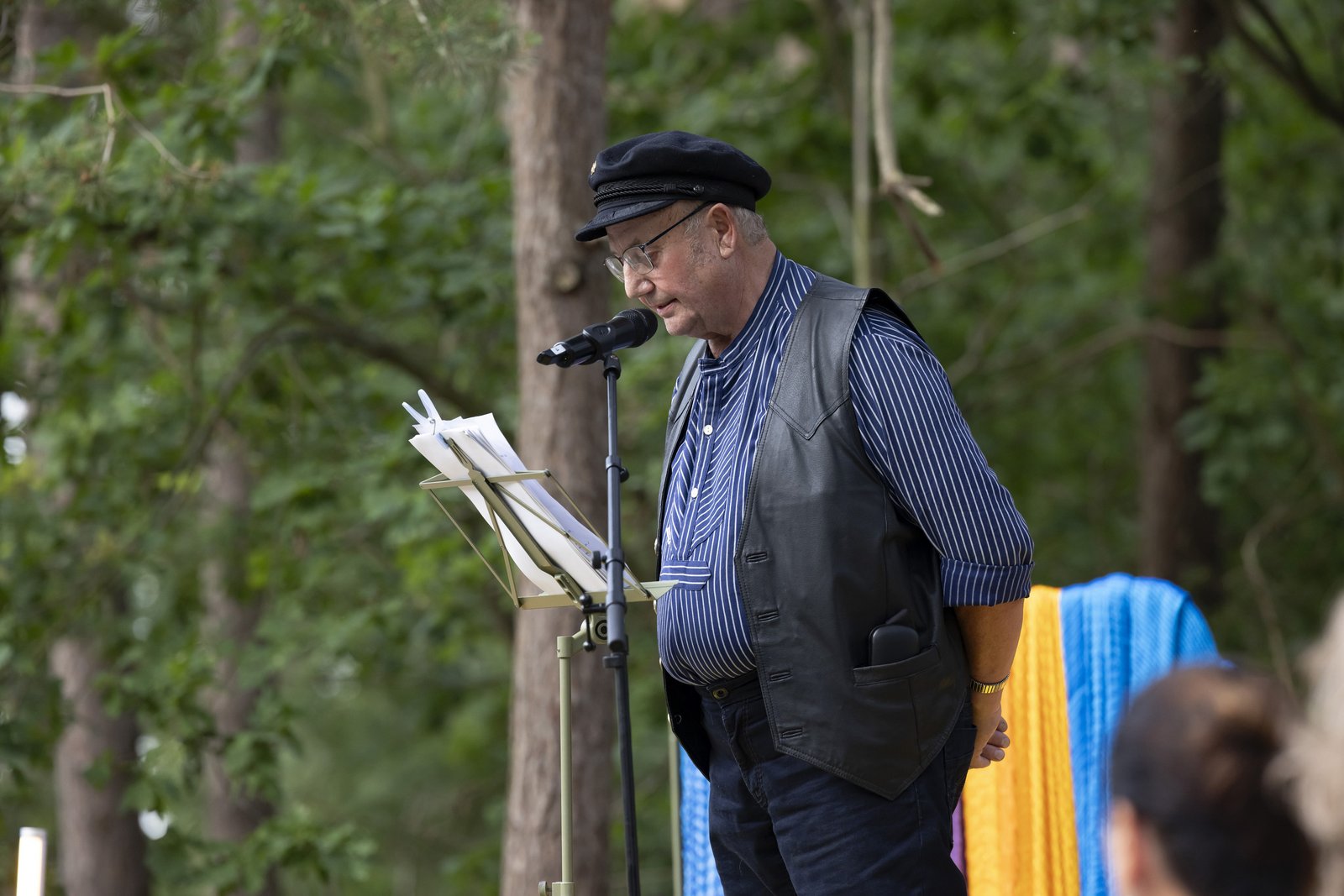
Future Songs of Fish and People
Part 1 of “Atlantic Undercurrent Circulation” by Amanda Piña for the New Patrons of Ummanz
Premiere, 27.6.2026, Ummanz Photo: Victoria Tomaschko -
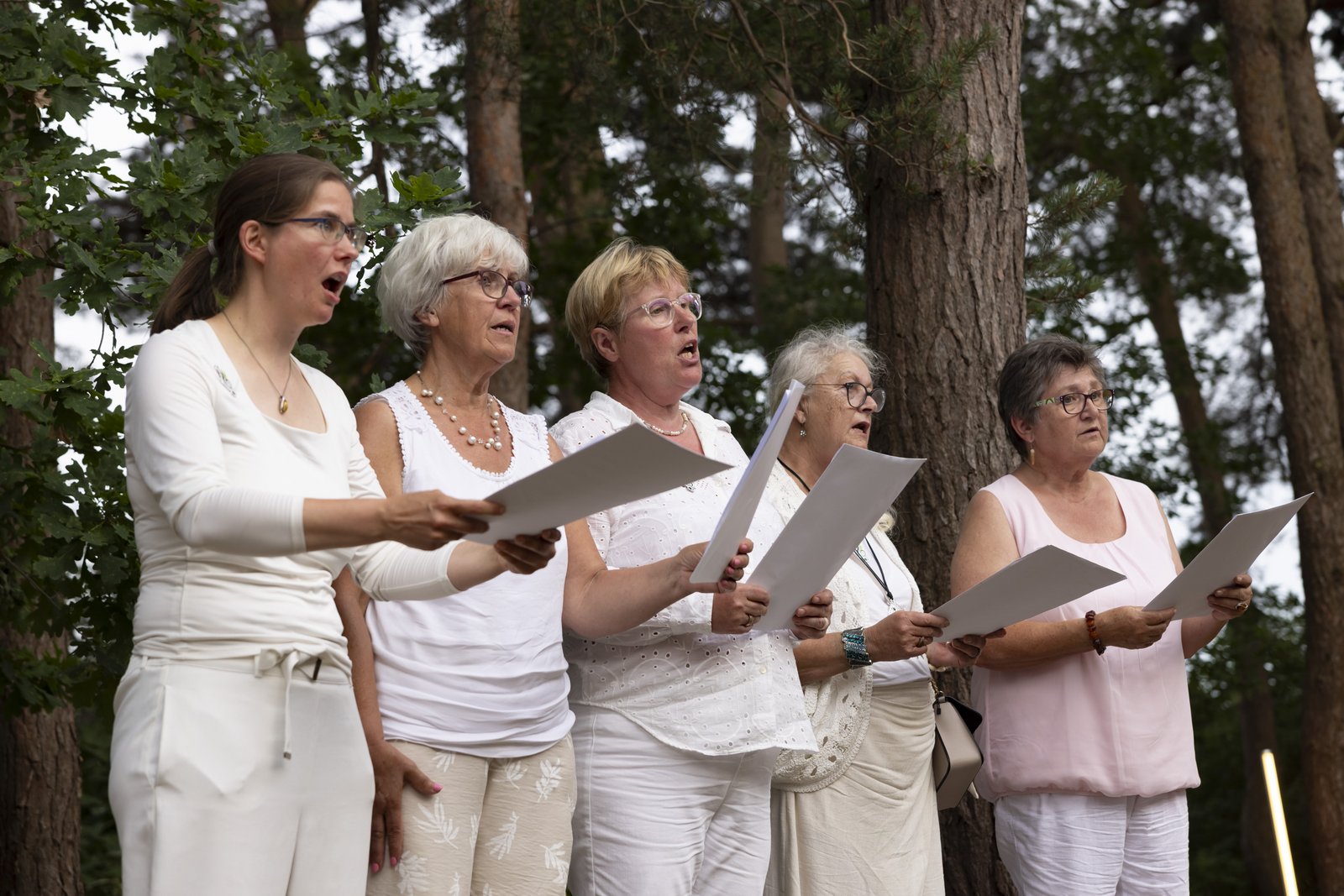
Future Songs of Fish and People
Part 1 of “Atlantic Undercurrent Circulation” by Amanda Piña for the New Patrons of Ummanz
Premiere, 27.6.2026, Ummanz Photo: Victoria Tomaschko -
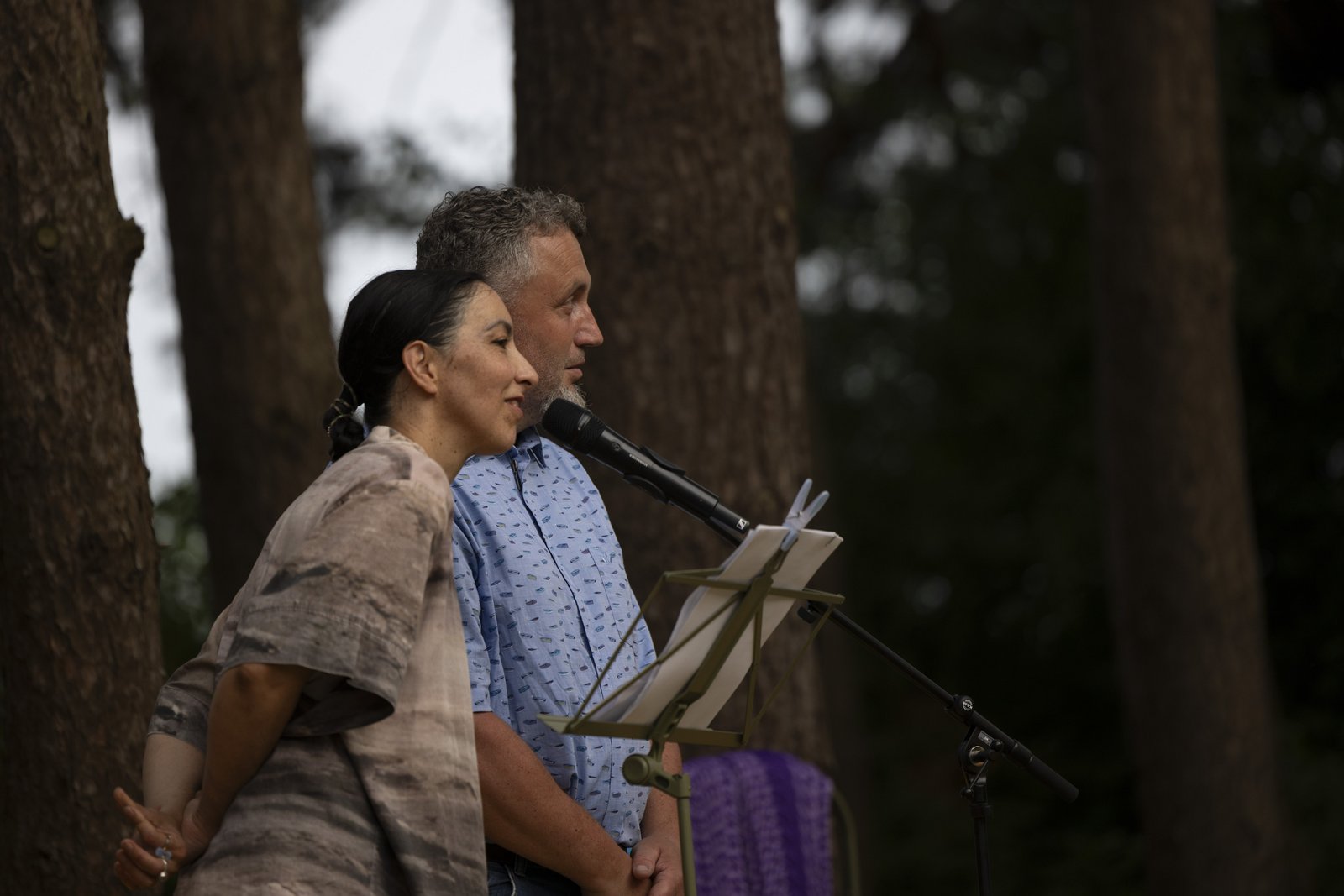
Future Songs of Fish and People
Part 1 of “Atlantic Undercurrent Circulation” by Amanda Piña for the New Patrons of Ummanz
Premiere, 27.6.2026, Ummanz Photo: Victoria Tomaschko -
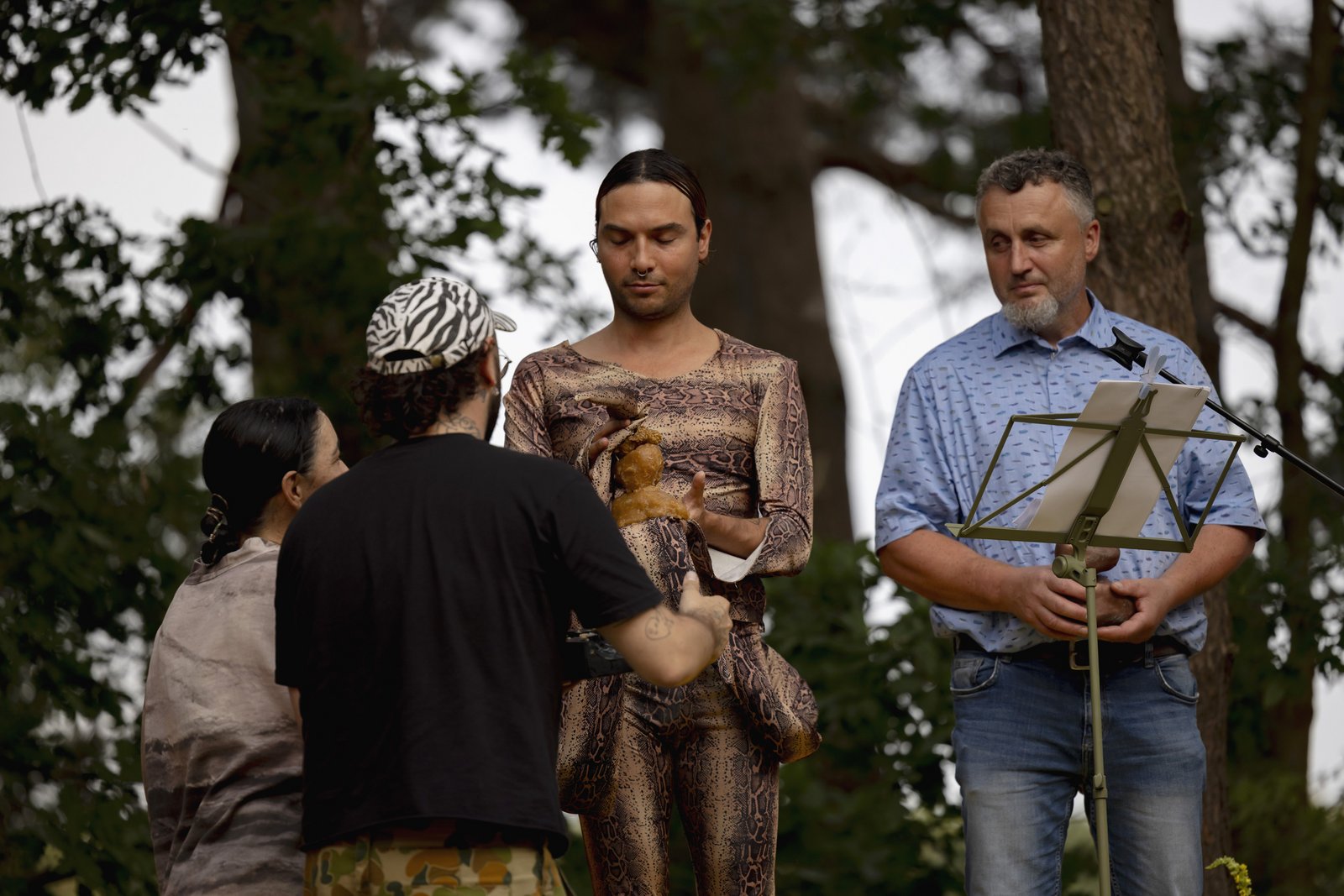
Future Songs of Fish and People
Part 1 of “Atlantic Undercurrent Circulation” by Amanda Piña for the New Patrons of Ummanz
Premiere, 27.6.2026, Ummanz Photo: Victoria Tomaschko -
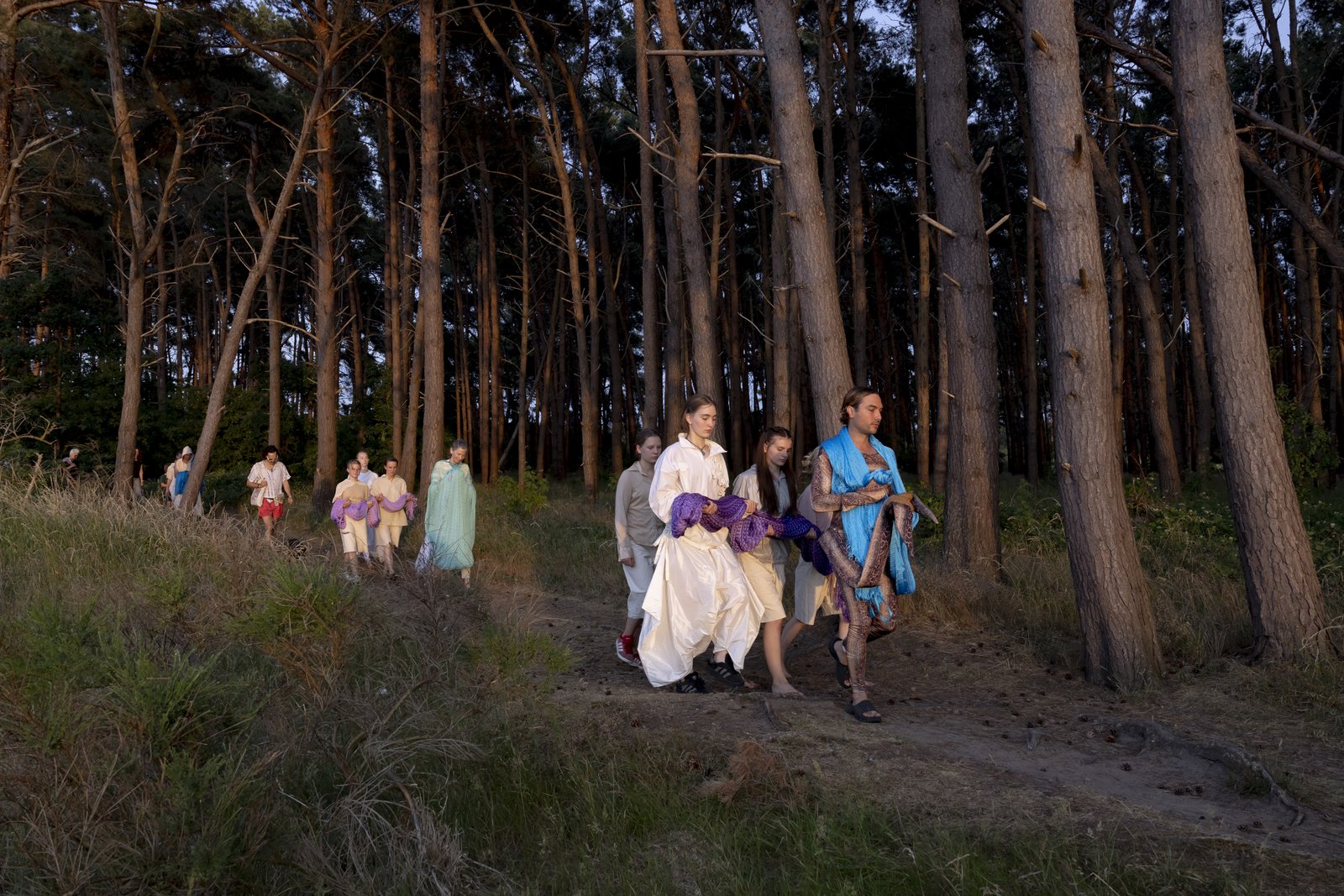
Future Songs of Fish and People
Part 1 of “Atlantic Undercurrent Circulation” by Amanda Piña for the New Patrons of Ummanz
Premiere, 27.6.2026, Ummanz Photo: Victoria Tomaschko -
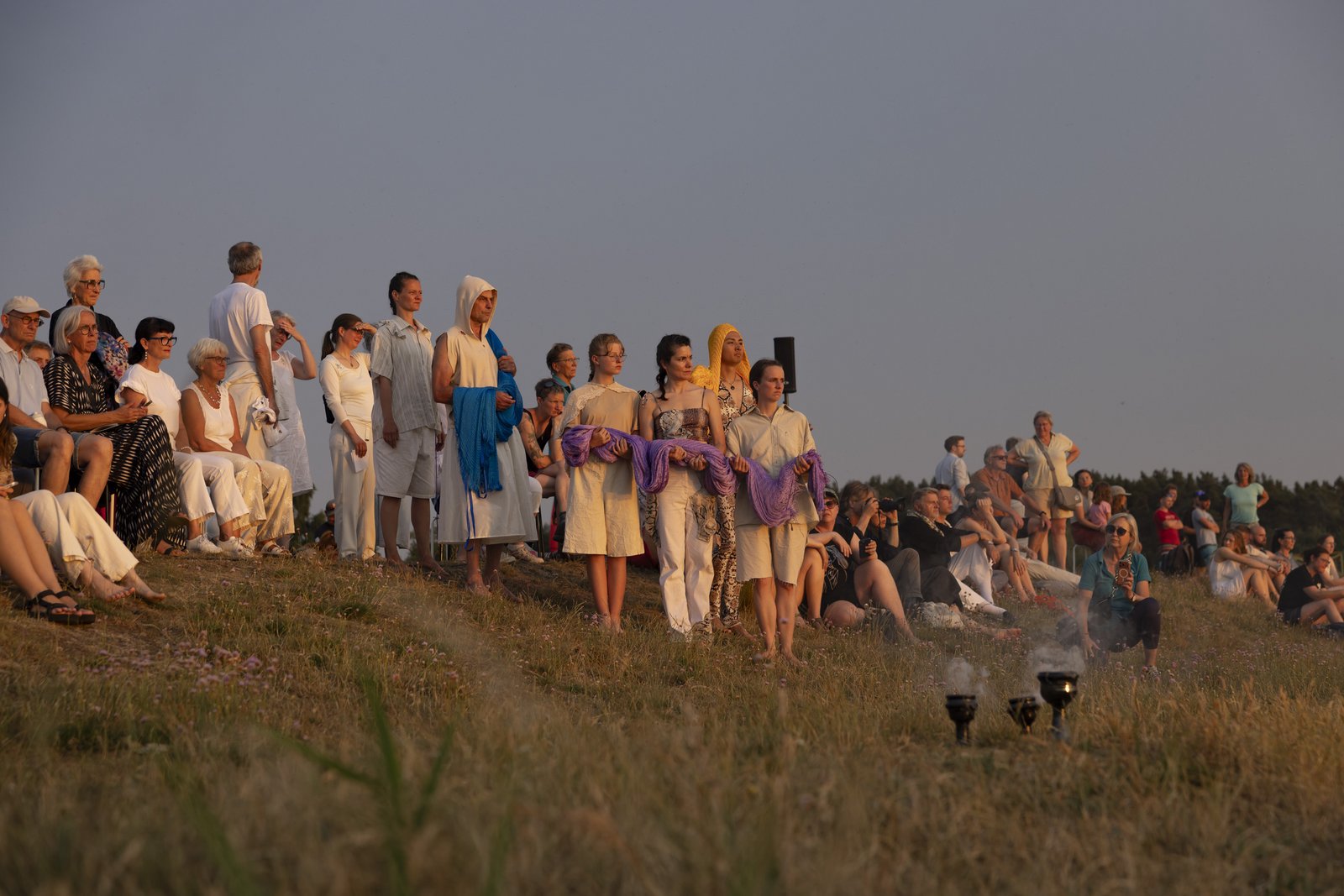
Future Songs of Fish and People
Part 1 of “Atlantic Undercurrent Circulation” by Amanda Piña for the New Patrons of Ummanz
Premiere, 27.6.2026, Ummanz Photo: Victoria Tomaschko -
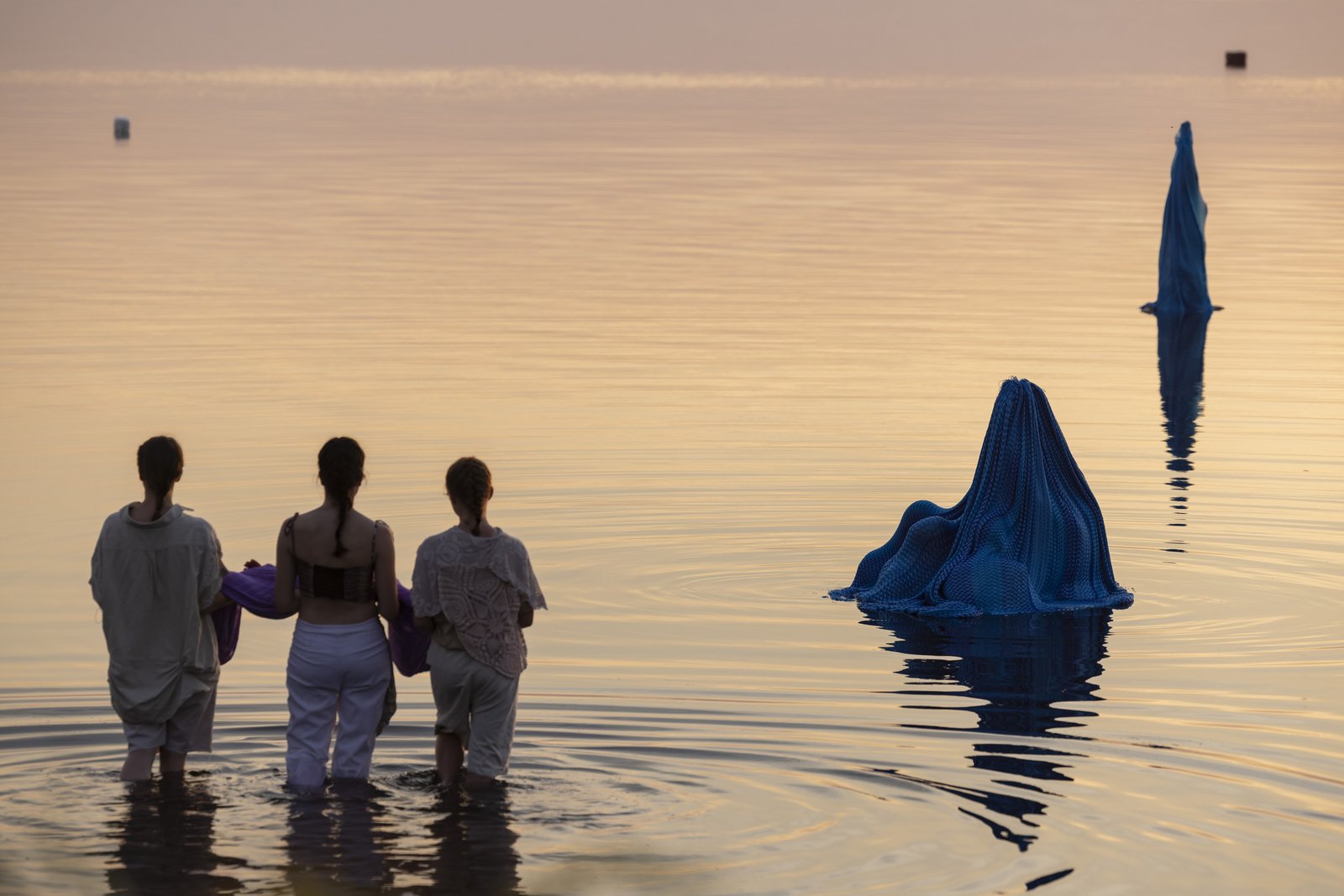
Future Songs of Fish and People
Part 1 of “Atlantic Undercurrent Circulation” by Amanda Piña for the New Patrons of Ummanz
Premiere, 27.6.2026, Ummanz Photo: Victoria Tomaschko -
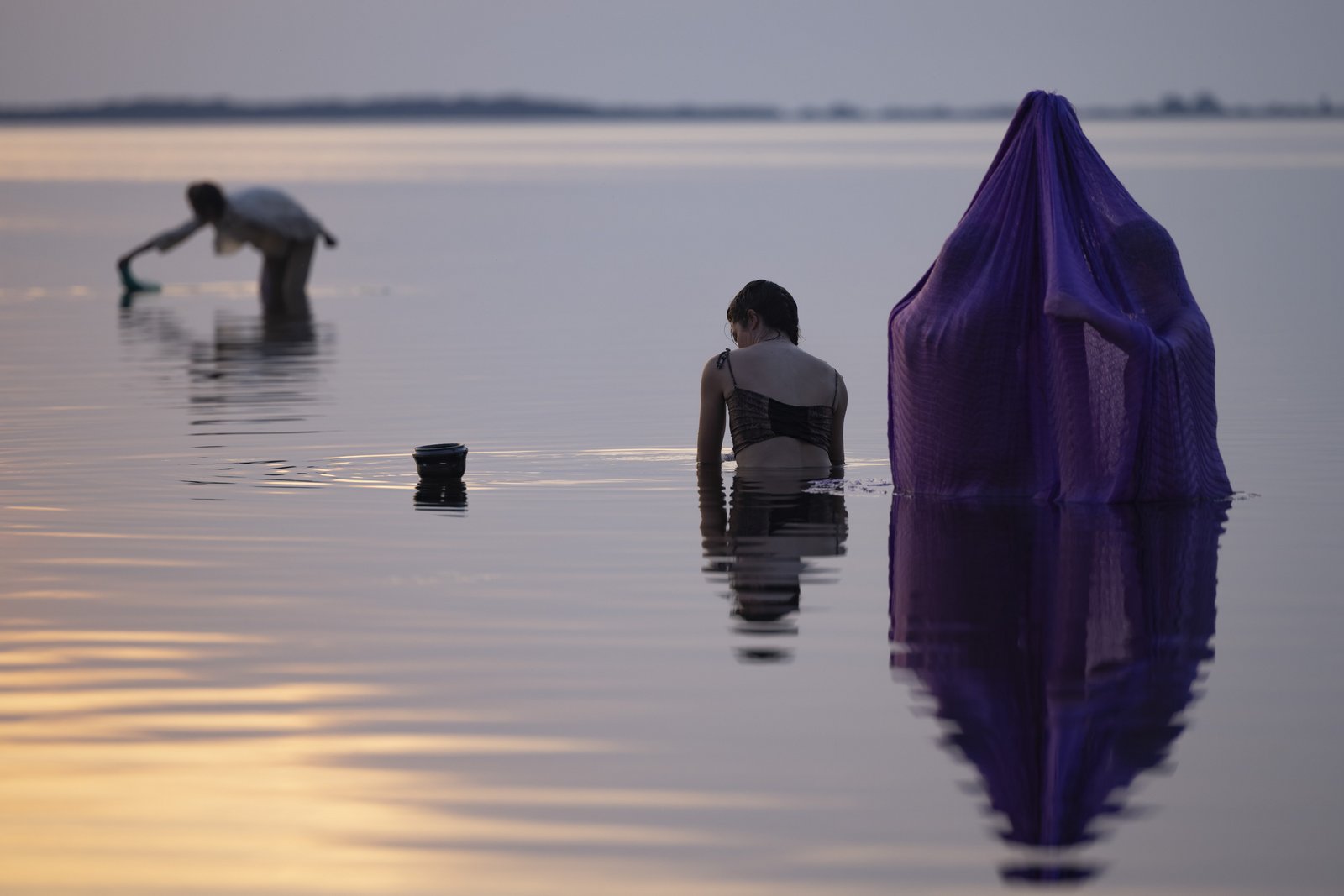
Future Songs of Fish and People
Part 1 of “Atlantic Undercurrent Circulation” by Amanda Piña for the New Patrons of Ummanz
Premiere, 27.6.2026, Ummanz Photo: Victoria Tomaschko -
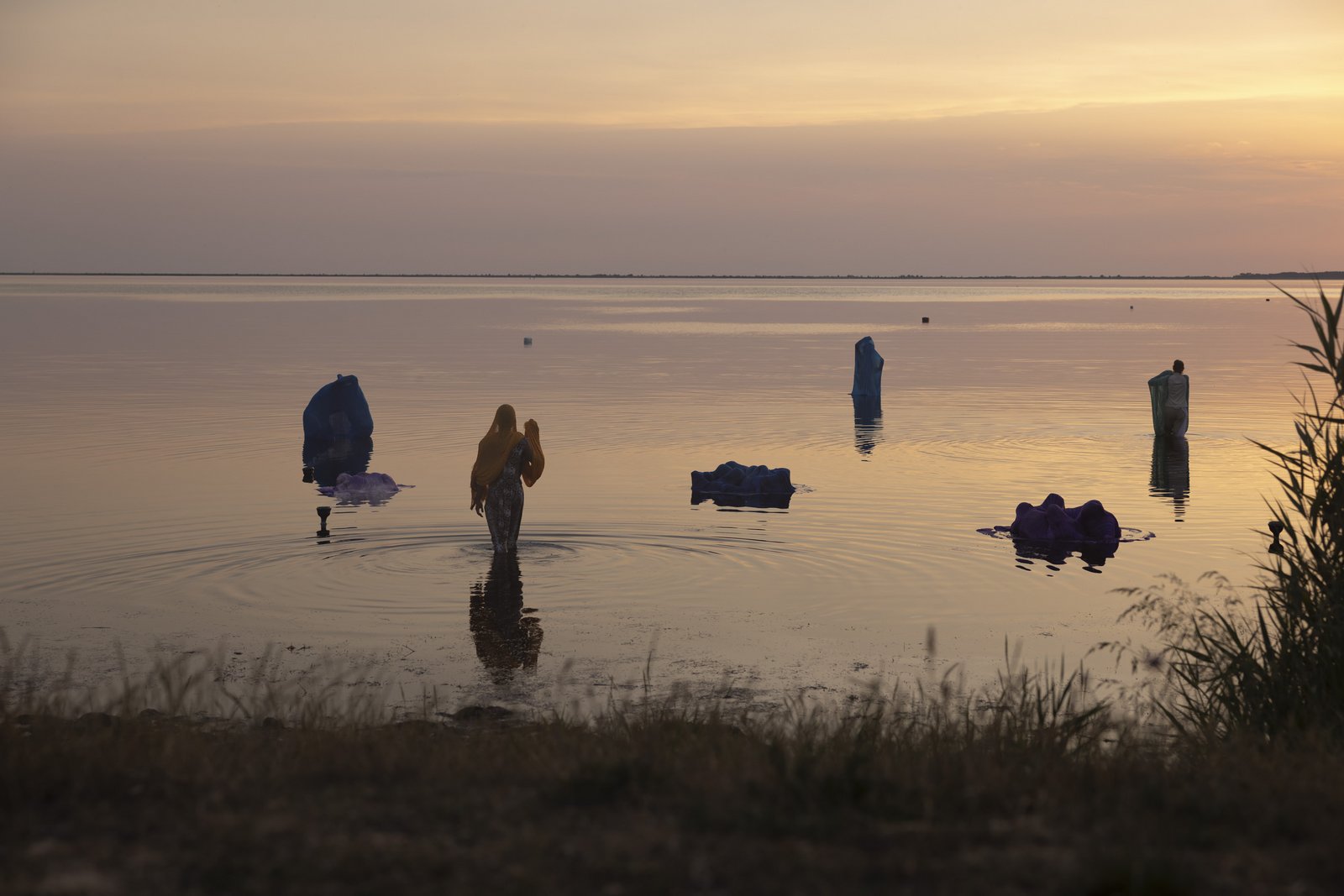
Future Songs of Fish and People
Part 1 of “Atlantic Undercurrent Circulation” by Amanda Piña for the New Patrons of Ummanz
Premiere, 27.6.2026, Ummanz Photo: Victoria Tomaschko -
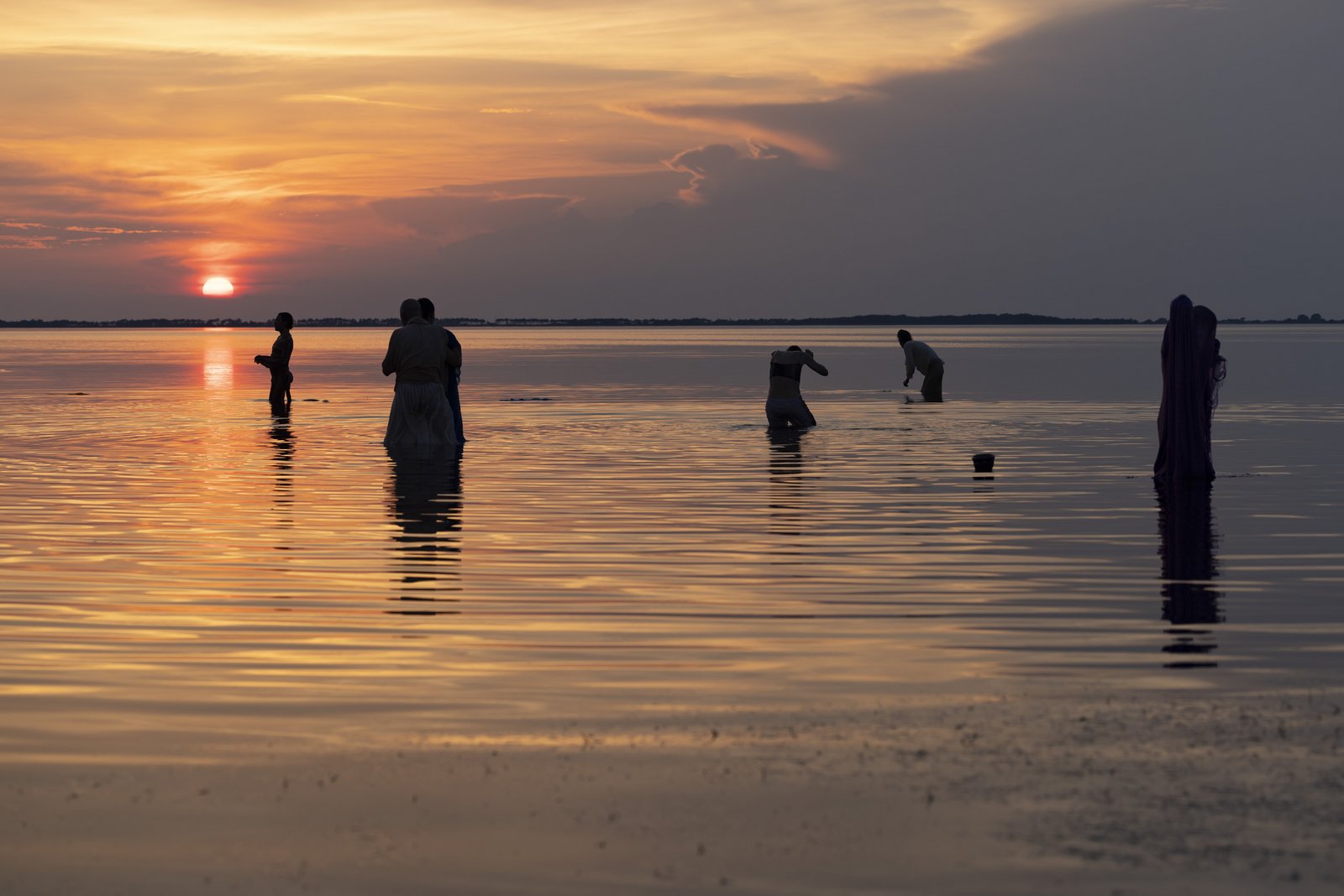
Future Songs of Fish and People
Part 1 of “Atlantic Undercurrent Circulation” by Amanda Piña for the New Patrons of Ummanz
Premiere, 27.6.2026, Ummanz Photo: Victoria Tomaschko -
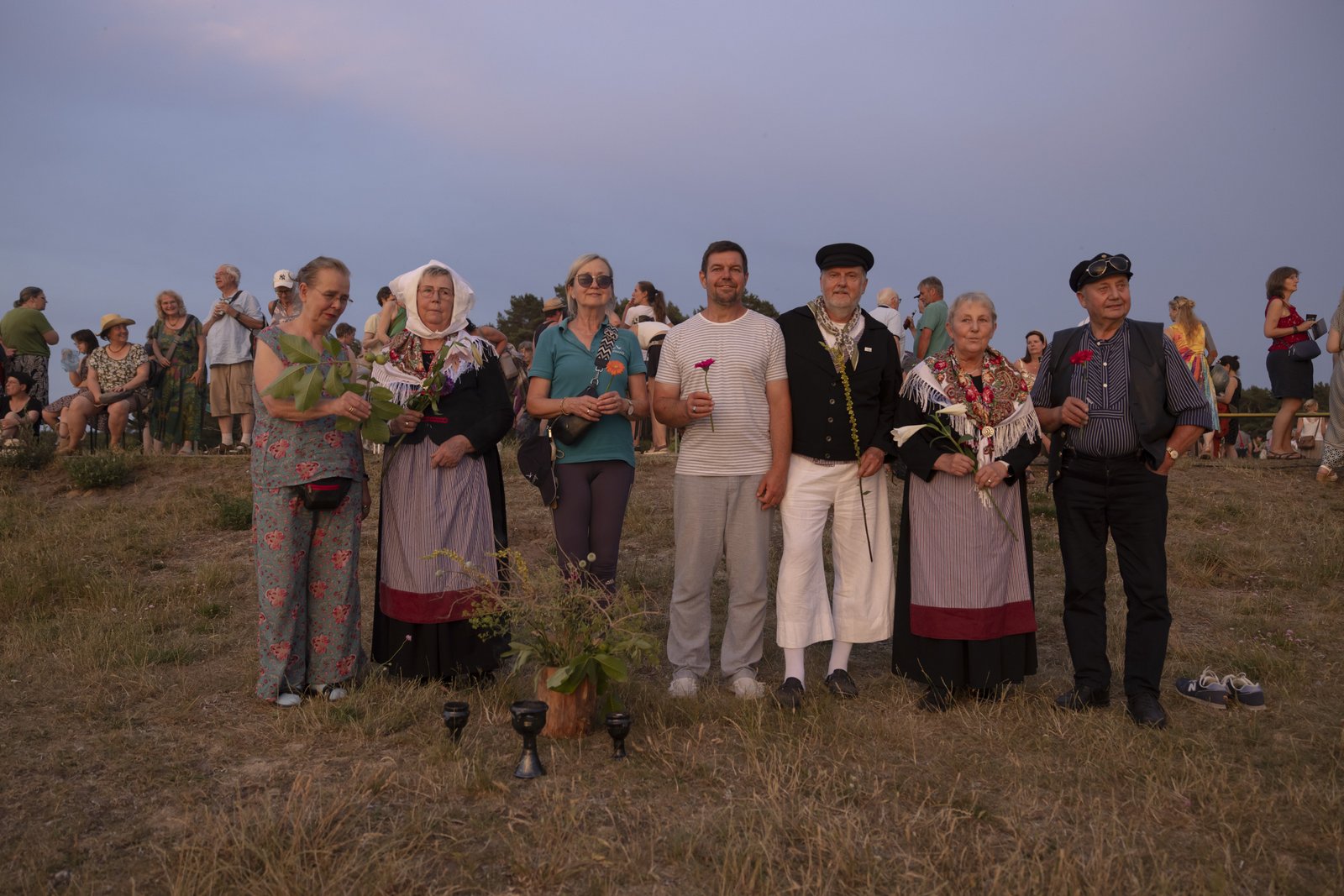
Future Songs of Fish and People
Part 1 of “Atlantic Undercurrent Circulation” by Amanda Piña for the New Patrons of Ummanz
Premiere, 27.6.2026, Ummanz Photo: Victoria Tomaschko -
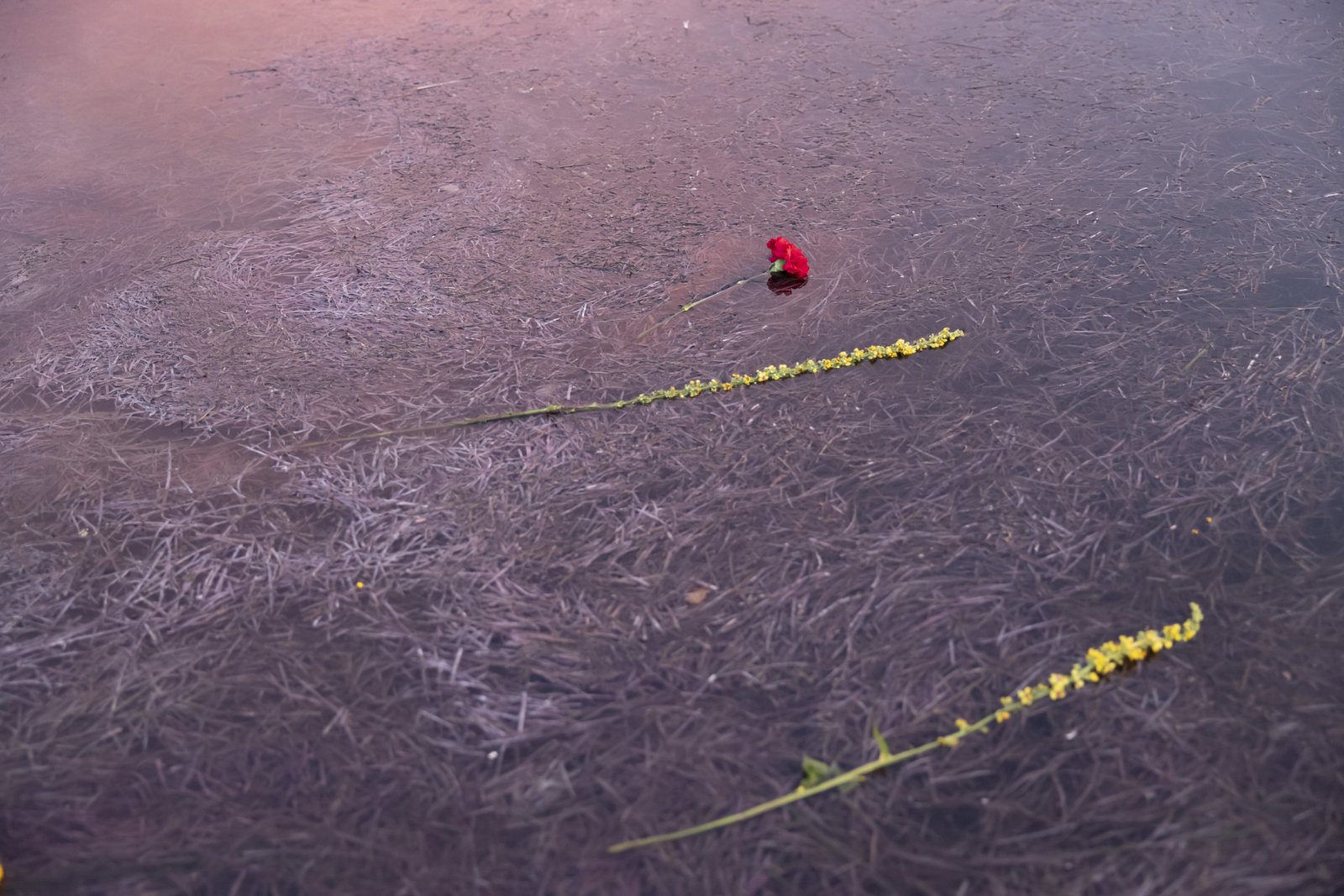
Future Songs of Fish and People
Part 1 of “Atlantic Undercurrent Circulation” by Amanda Piña for the New Patrons of Ummanz
Premiere, 27.6.2026, Ummanz Photo: Victoria Tomaschko
The New Patrons of Ummanz want to bring coastal fishing into focus—with an artistic production that makes its history, knowledge, and transformation tangible. Coastal fishermen share a deep understanding of ecological interconnections and natural cycles, as well as craftsmanship and entrepreneurial intuition. As fishing declines, the knowledge passed down through generations is at risk of disappearing. A striking symbol of the end of an era stands where the harbor once was—now an apartment building—and two decommissioned fishing boats were being turned into museum ships, relics of a fading tradition. Through an artwork, the coastal fishermen and their families shall be honored for their contributions, making their significance visible and accessible to all.
The patrons ask: How does a region change when coastal fishing disappears? How can we preserve its intangible heritage, which stories need to be told, and which images should be kept? How can sustainable ways of working be maintained and further developed? And what new perspectives emerge for our future? They are looking for an artistic response to these questions — one that will endure.
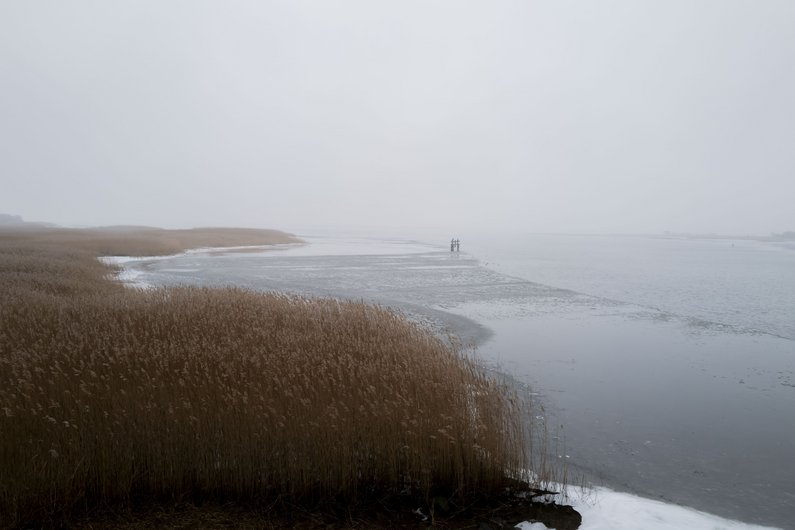
The New Patrons of Ummanz
Ummanz island view Photo: Victoria Tomaschko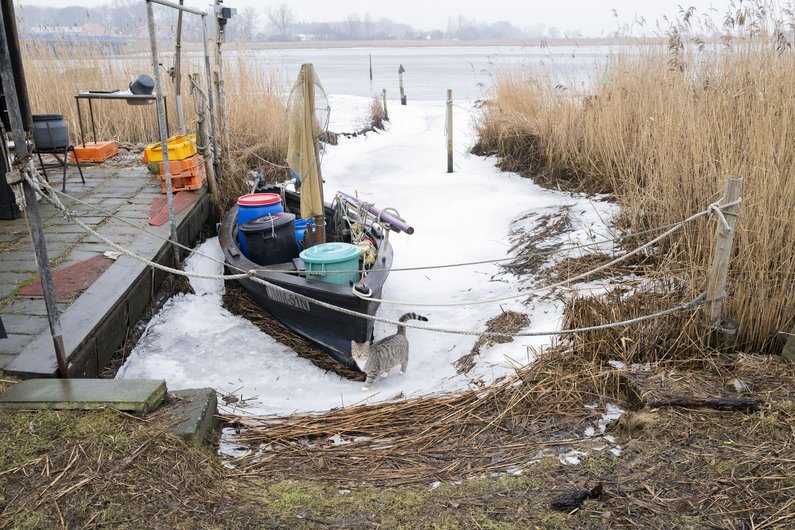
The New Patrons of Ummanz
Ummanz island view Photo: Victoria Tomaschko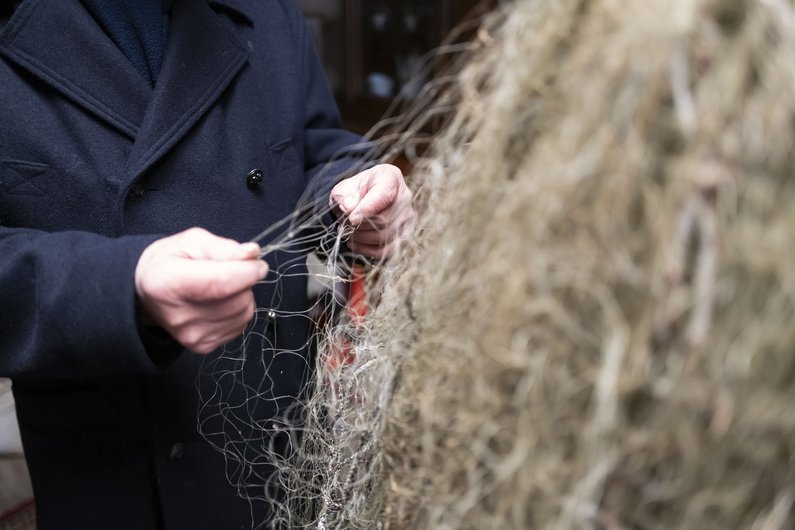
The New Patrons of Ummanz
Fisherman Detlef Diedrichfrom the patrons group Photo: Victoria Tomaschko
The New Patrons of Ummanz
Fisherman Detlef Diedrichfrom the patrons group Photo: Victoria TomaschkoFor this commission, the group has found the right artist in Amanda Piña. In her work, she makes suppressed, lost, or overlooked forms of knowledge newly accessible as lived experience. Since 2014, through her long-term project Endangered Human Movements, she has been exploring the connection between the loss of biological and cultural diversity. Her research on ancestral movement practices that have been maintained for centuries and are now at risk of disappearing includes gestures and materials connected to fishing traditions and coastal life.
Her performances, films, musical, and sculptural works are rooted in an outlook that understands not only human beings, but also other living beings, objects, landscapes, and forces as co-creators of a shared world — opening up questions of how new forms of responsibility and community might emerge from this.
Amanda Piña's work has been presented worldwide in theatres, museums, and cultural centres, including Kunsthalle Wien, the Fondation Cartier pour l'art contemporain in Paris, mumok in Vienna, deSingel Arts Campus in Antwerp, Kunstenfestival des Arts in Brussels, Museo Universitario del Chopo in Mexico City, and GAM in Santiago de Chile. In 2024, Piña held the Valeska Gert Guest Professorship in Choreography at Freie Universität Berlin and currently serves on the advisory board of the university course Curating in the Performing Arts of Paris Lodron University Salzburg in cooperation with the Free University of Berlin and Szenische Forschung Bochum. She is the founder of Instituto Tropical, an artistic initiative that works on the relation between art and ecosocial transformation, as well as of Fortuna – Verein zur Förderung nachhaltiger Kunst, supported by the Kulturabteilung der Stadt Wien (Cultural Department of the City of Vienna).
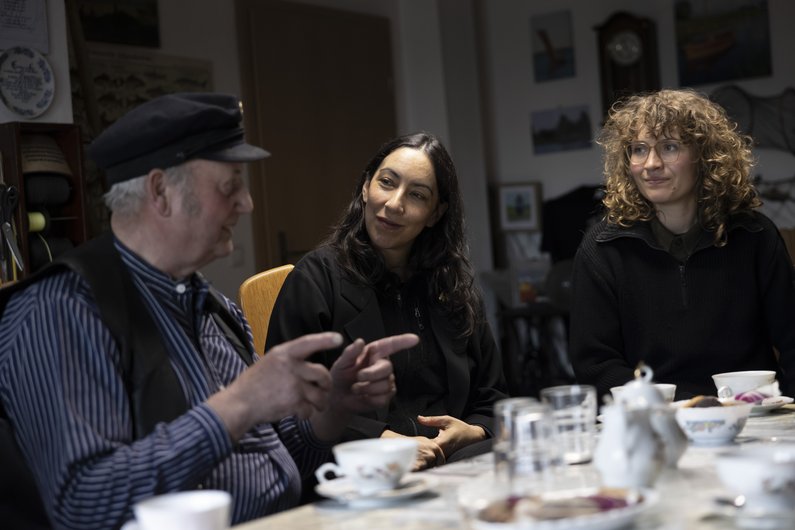
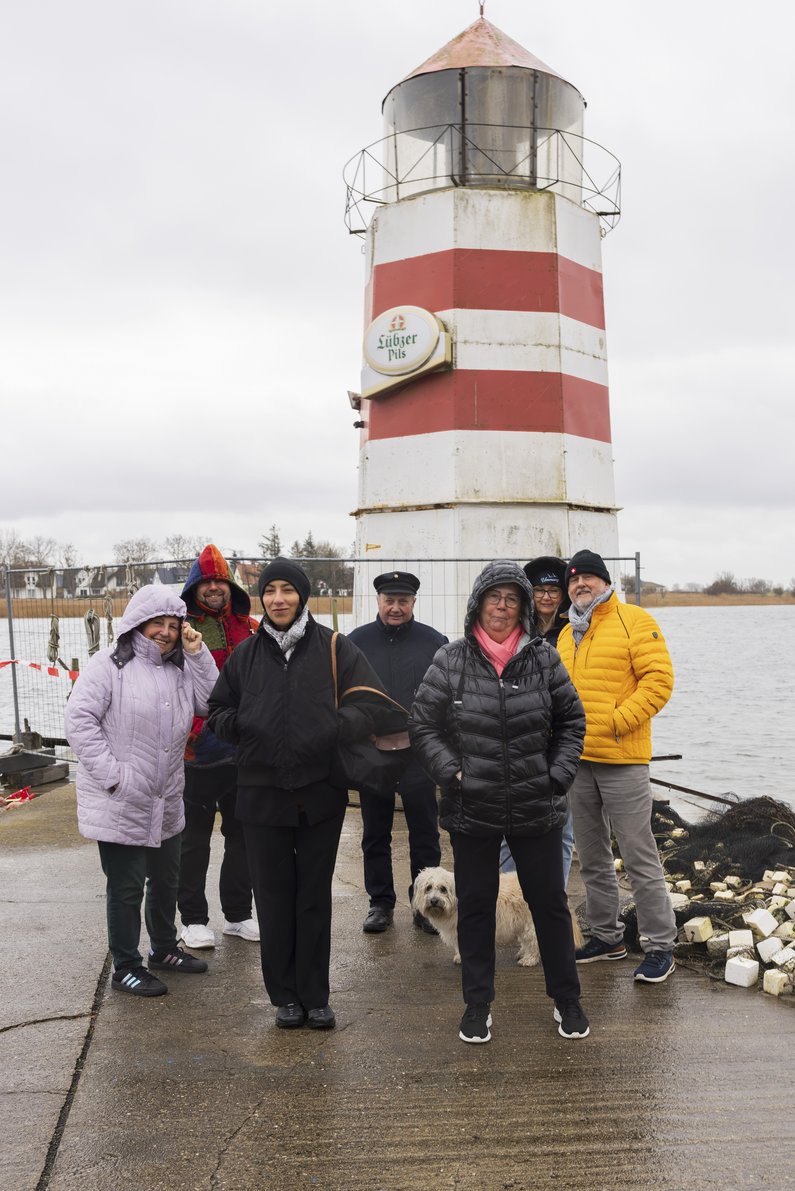
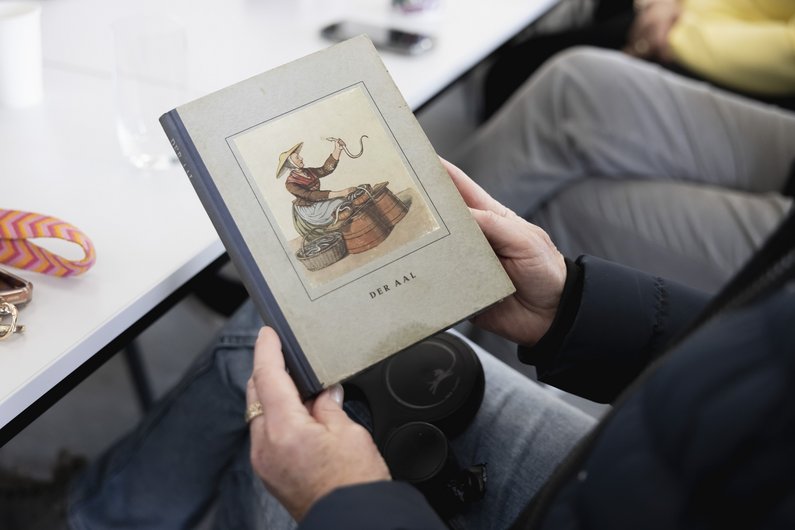
Amanda Piña responds to the commission with a three-part concept. It connects the local context of Ummanz and its centuries-long shaping by coastal lagoon (Bodden) fishing with global ecological processes and oceanic cultures. The project takes its name from a system of ocean currents (AMOC) threatened by climate change – one that is responsible for regulating the weather in Europe, links oceans, species, and coastal communities worldwide in a fragile network.
The work opens with a collective event on Saturday, June 27, 2026, on Ummanz. Titled Future Songs of Fish and People, this central element brings together international performers and people from the region. The knowledge and labor of the Bodden fishers are honored through a procession with visual and sonic elements, and a public ceremony. A choreographic sequence of "living sculptures" draws on the movements of corals, plankton, and other largely invisible marine microorganisms, transforming fishing materials into fluid, forms.
Amanda Piña then translates forms and materials from the performance into permanent elements in the public space of Ummanz. They serve as a memorial to the event, a monument to threatened marine life, and a place for sitting, gathering, and lingering.
As a third element, Piña weaves together footage from the performance with images of the Ummanz landscape, marine ecosystems, and voices of fishers, scientists, and local experts. Following the migrations of species such as the European eel and the herring – once the "bread fish" of the region – she places them in the context of climate change and the geographic and economic currents flowing between the Global South and the Global North. The video installation extends the local event beyond Ummanz and opens it to future audiences.
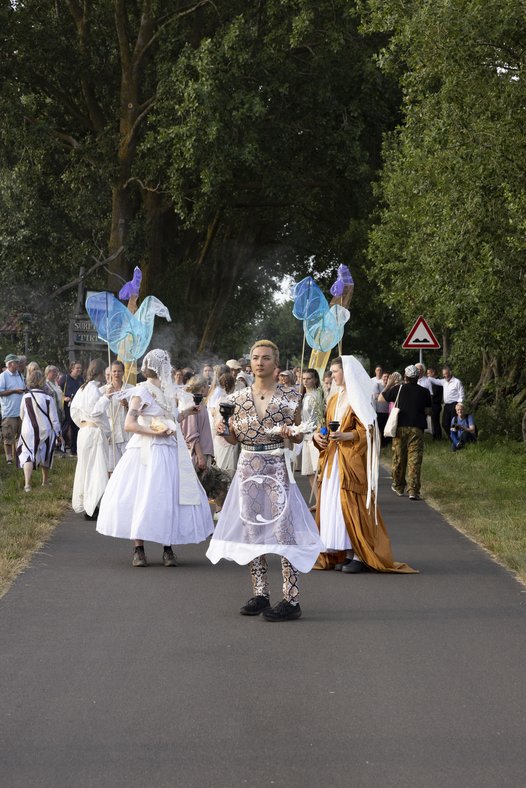
Future Songs of Fish and People
Part 1 of “Atlantic Undercurrent Circulation” by Amanda Piña for the New Patrons of UmmanzPremiere, 27.6.2026, Ummanz Photo: Victoria Tomaschko
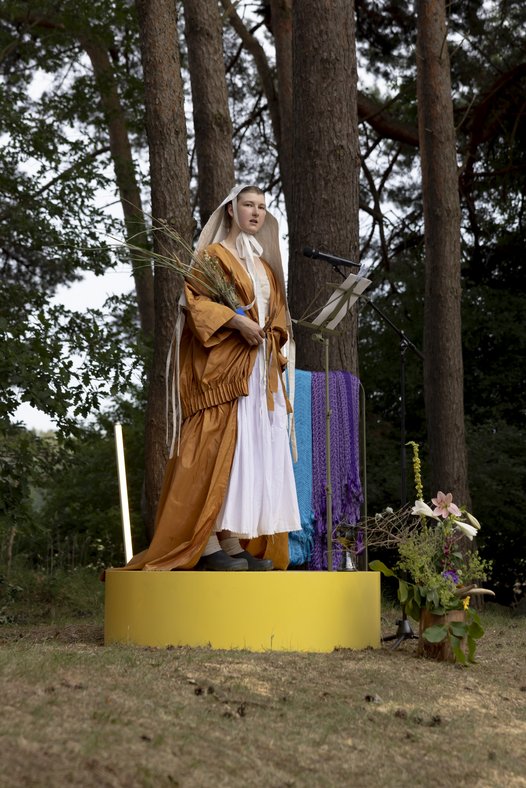
Future Songs of Fish and People
Part 1 of “Atlantic Undercurrent Circulation” by Amanda Piña for the New Patrons of UmmanzPremiere, 27.6.2026, Ummanz Photo: Victoria Tomaschko
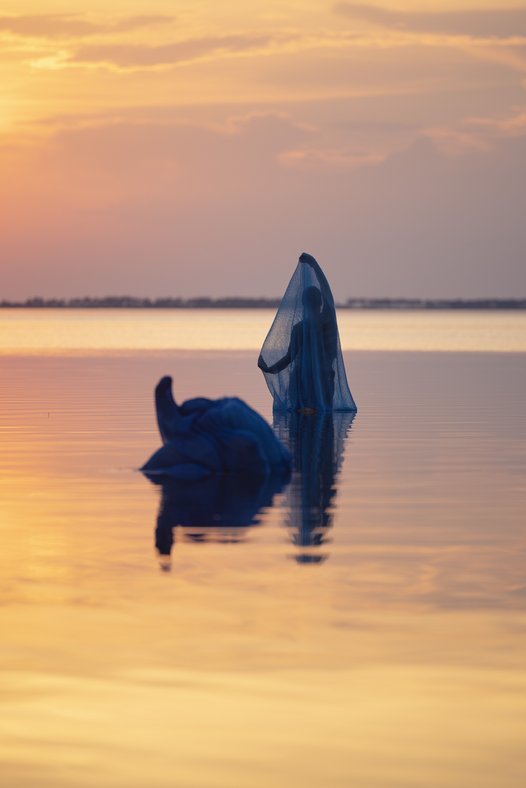
Future Songs of Fish and People
Part 1 of “Atlantic Undercurrent Circulation” by Amanda Piña for the New Patrons of UmmanzPremiere, 27.6.2026, Ummanz Photo: Victoria Tomaschko
Future Songs of Fish and People
Speakers: Gabriele Heenemann, André Stoye and Detlef Diedrich
Performers: Ron Alonso Berger, jee chan, Angela Muñoz Martinez, TogetherTogether Collective mit Laura Flethe, Carmen Draxler, Juliana Acero Castellanos, Stefano Cattani und Rita Gaspar, sowie Lilith Luisa Beth, Amelie Chill, Helena Felsmann, Marie Luise Gebler, Mara Griebe, Amanda Ibram, Julia Möckel, Melina Petrak, Paula Reeckmann, Dajana Voß von perform[d]ance Stralsund with Stefan Hahn, and Catrione Garrett.
Participants: Samtenser Frauenchor mit Alex Bergstedt, Mitglieder von Traditionelles Brauchtum Ummanz e. V., Ummanzer Inselläufer, Katrin Bindernagel-Wildt
Idea, Concept, and Choreography: Amanda Piña
Mediation: Susanne Burmester
Production: Fortuna – Association for the Promotion of Sustainable Art
Production Manager, Technical Director: Michel Jimenez
Costume Design: Sinon Pineiros Leone
Dramaturgy: Lorena Moreno
Choreography Assistant: Federico Protto
Sound Engineering: Jürgen Kaufmann
Set Construction/Helping Hand: Julius Rübcke von Veltheim
Technical Support/Helping Hand: Matthias Arndt
Coordination: Federico Protto (Vienna), Lisa Marie Steude (Ummanz)
Video Documentation: Aaike Stuart with Daniel Schellongowski and Mattias Larsen
Photography: Victoria Tomaschko
Graphic Design: Christiane Burwitz
Local Project Lead: Kunstverein Rügen e. V. / Circus Eins Projekte