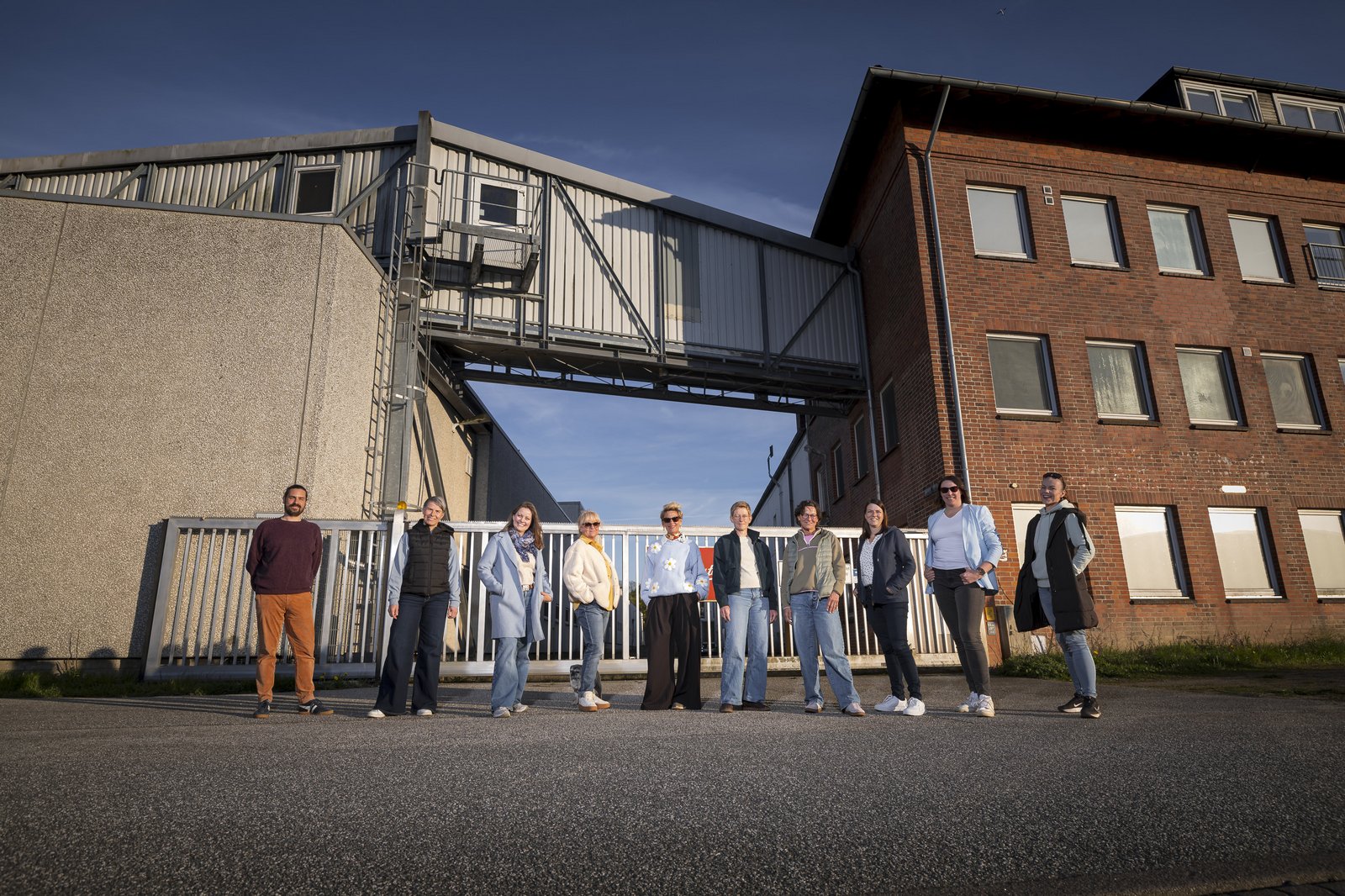
Patrons: Dörte Diercks, Anika Dyllus, Carolin Freidank, Sandra Grunwald, Sarah Helms, Wiebke Hildebrand, Christiane Klempau, Sylvia Partzanka, Nicole Schäfer
Commission: Under the title HINNEHMEN (Enduring it), we are commissioning a site-specific artwork that draws attention to long-standing industrial vacancies and derelict privately owned sites in Schlutup. We are looking for an artistic work that addresses the powerlessness often felt by citizens, while at the same time marking a tipping point: from acknowledging a situation to taking action; from overlooking or avoiding it to addressing it directly; from adaptation and resignation to naming responsibility; from passivity to empowerment and action.
Mediator: Pascal Simm
Period: 2026 ongoing
Partner: Kulturstiftung des Bundes (German Federal Cultural Foundation)
Program: Citizen-Commissioned Dance and Performance
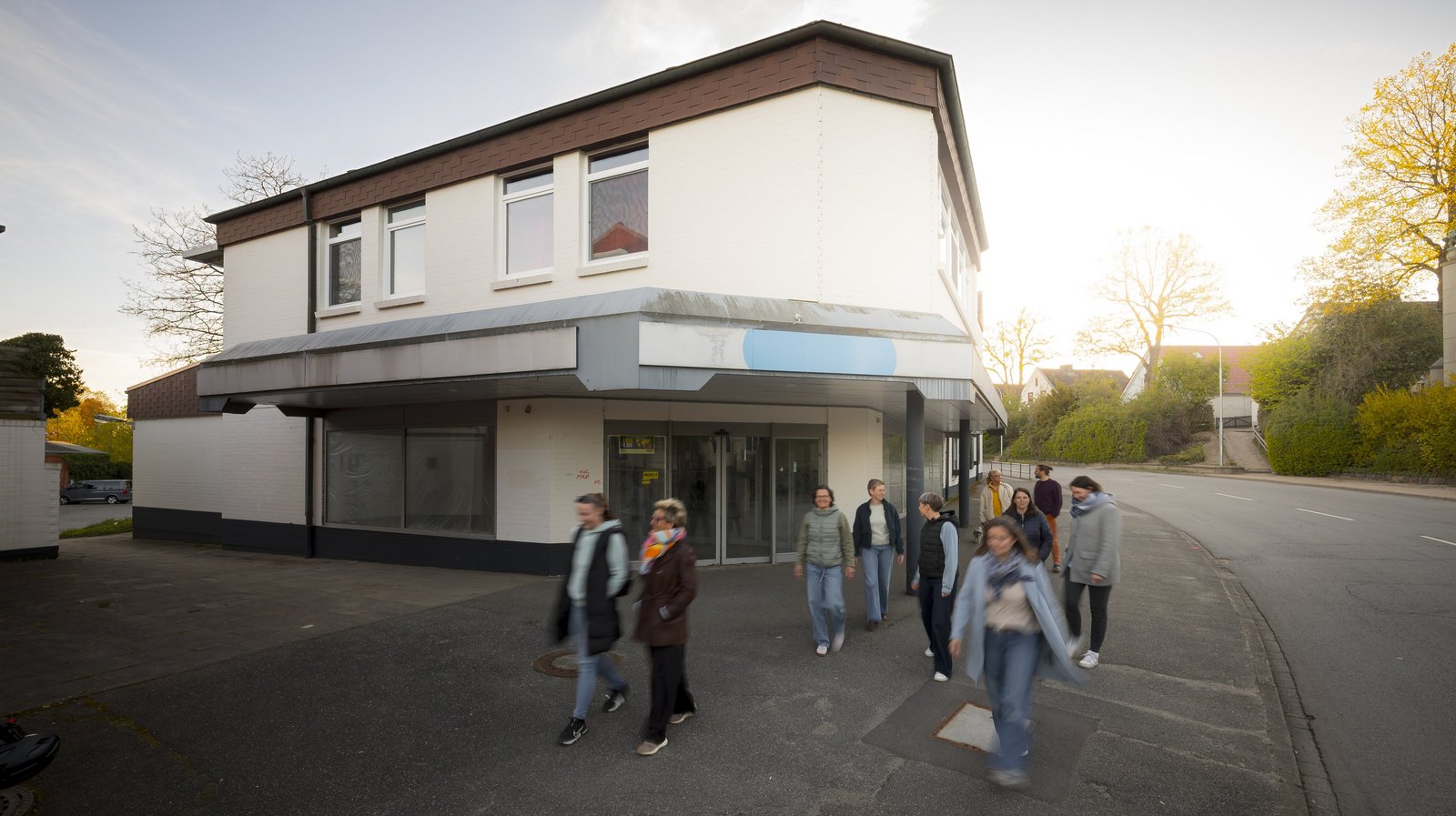
Old fences, empty factory buildings, overgrown lots: when large companies close their production sites, the areas where people once worked often become places of stagnation, neglect, and uncertain futures. This is also the case in Schlutup, a district on the outskirts of Lübeck.
The New Patrons of Schlutup do not want to simply accept that large-scale industrial use often generates private profits while the consequences are borne by the public. With their commission, they confront an uncomfortable question:
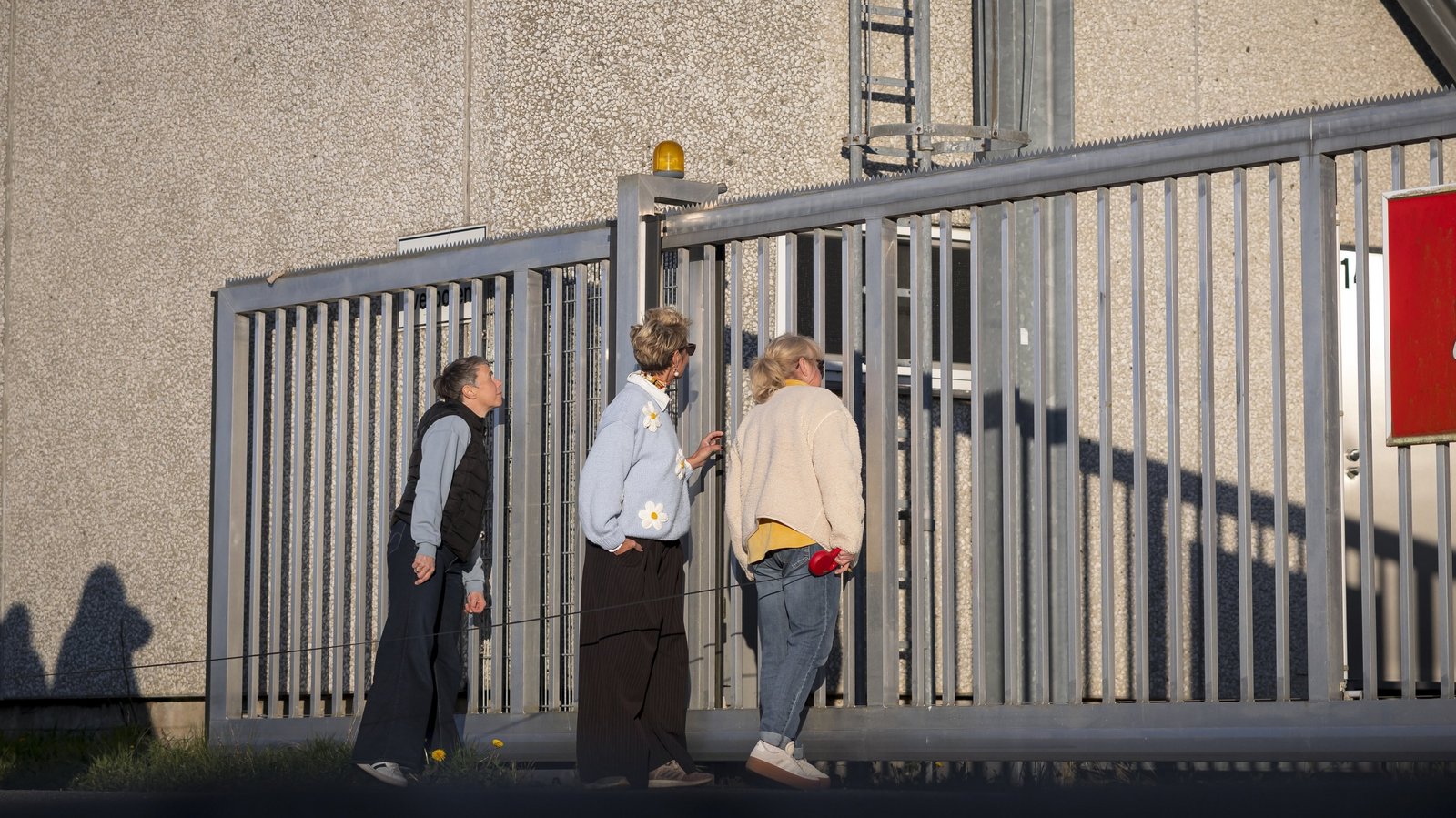
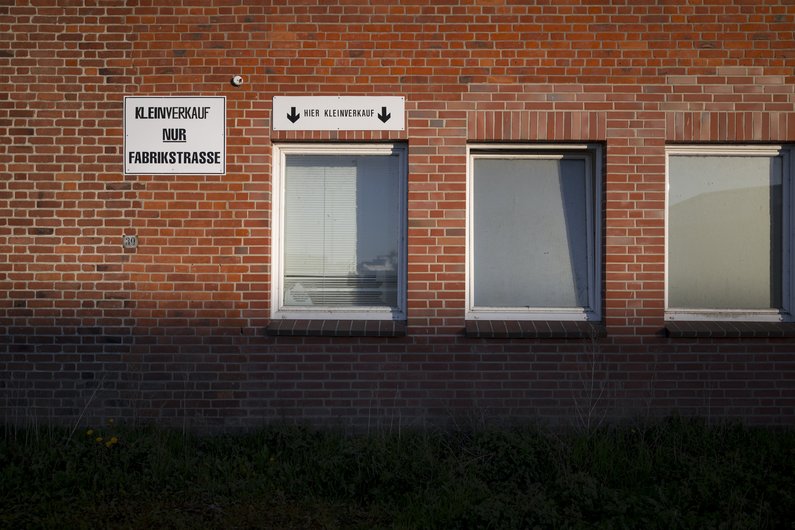
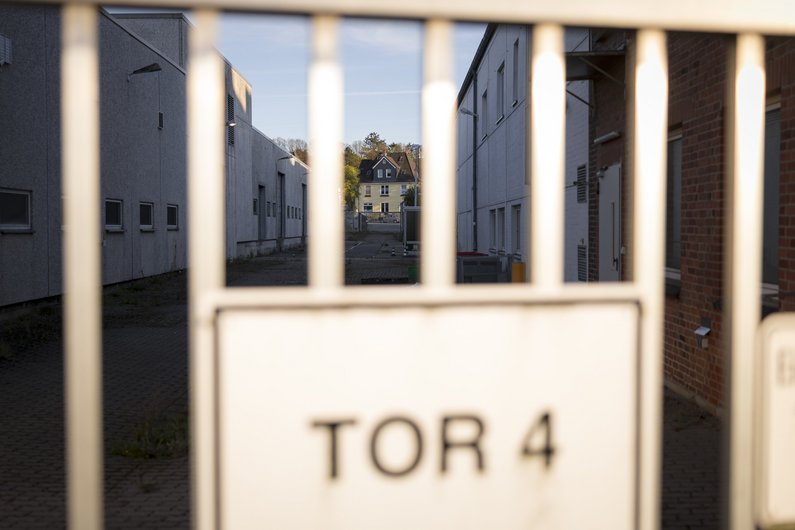
The group wants an artwork that explores ways toward protest, agency, and public impact—not only for Schlutup, but also for other places facing similar circumstances. Through a performance or dance work, they hope to draw attention to the fact that derelict sites are not “neutral”: they affect the district, hinder development, and, if left unaddressed, may contribute to further areas falling into disuse.
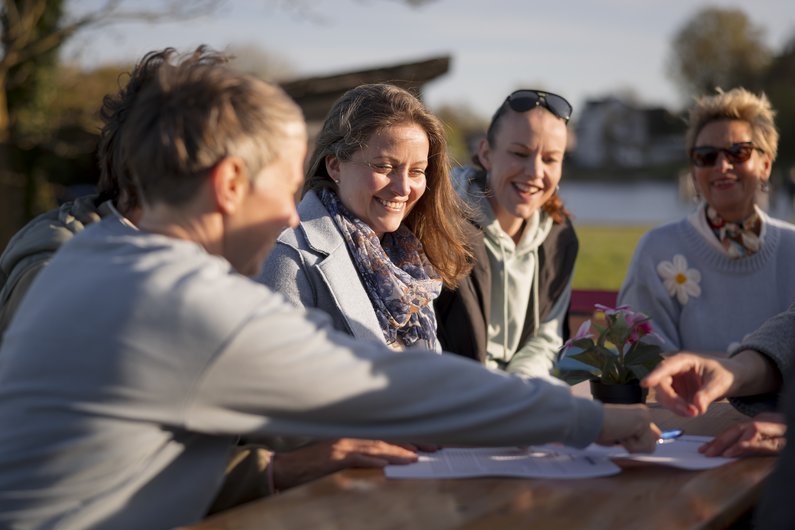
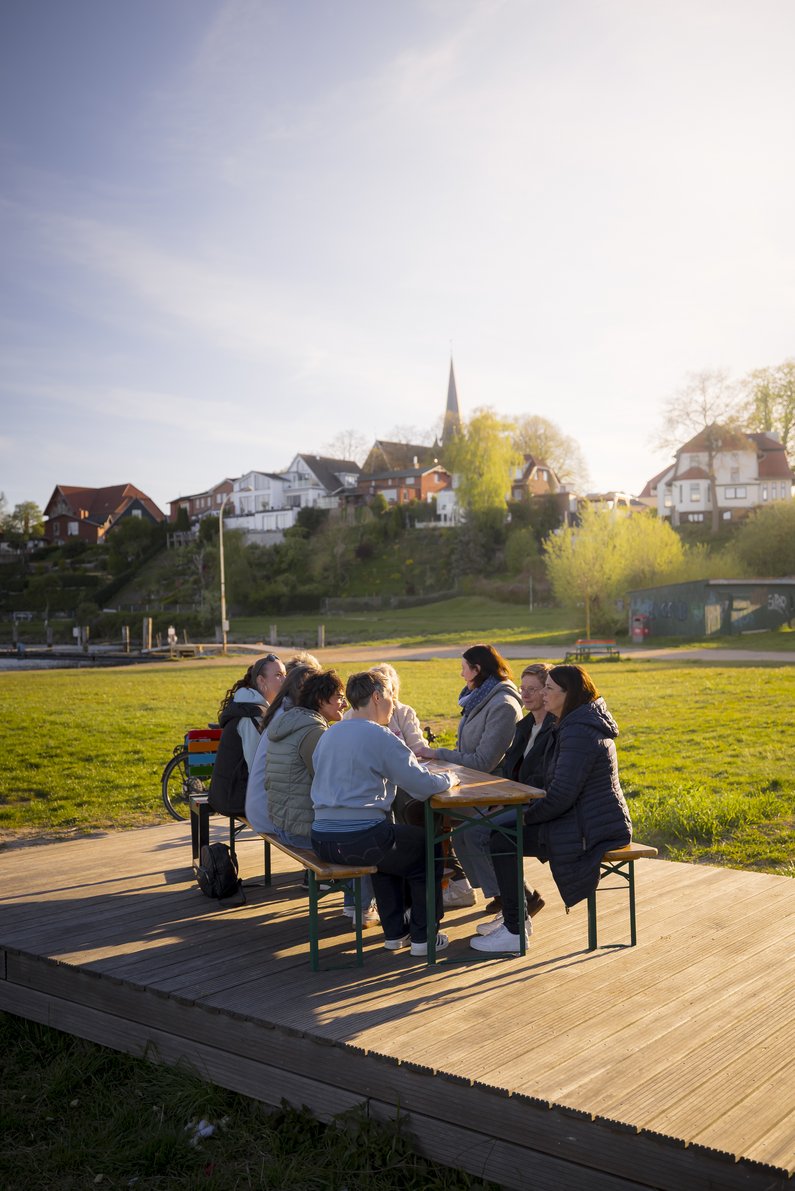
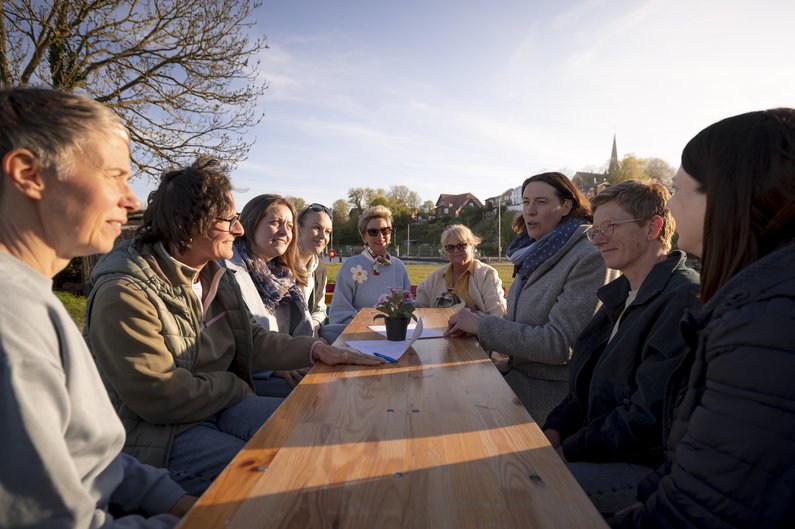
For the patrons, however, the project is about more than criticism. What matters most is the question of agency. The artwork should begin with the experience of powerlessness and mark the moment of transition: from enduring to naming, from avoidance to engagement, from passivity to action.
Through acts of reactivation and temporary redefinition, the work should explore what futures might be possible for these currently silent and neglected sites.